The operations of xAI, an AI-focused company, have sparked intense criticism due to their detrimental environmental impact on Black communities in Tennessee. Allegations claim that the company has constructed power generation facilities without permits or public consultation, specifically targeting areas with predominantly Black residents. Reports suggest that xAI plans to continue these practices, raising serious questions about its commitment to ethical standards and community welfare.
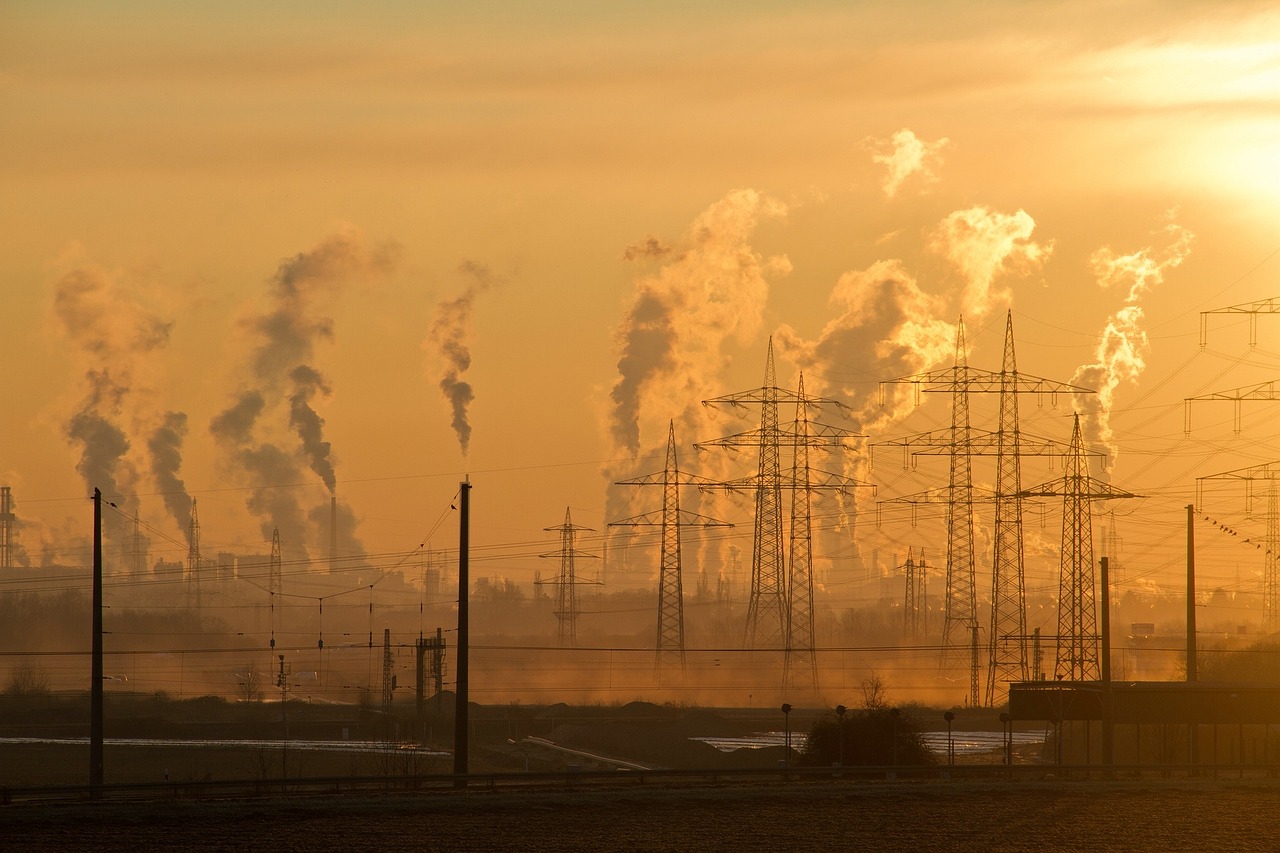
In a striking revelation, xAI allegedly stated its intention to identify Black neighborhoods for pollution, effectively ignoring legal requirements. The company has reportedly set up unpermitted gas generation capabilities, with over 400 MW of power aimed at sustaining its facilities. The emissions from these power plants, including nitrogen oxides and fine particulate matter, worsen an already critical air quality situation, with affected areas receiving an “F” rating for ozone levels.
The consequences are severe. The pollution generated by xAI's operations is said to disproportionately affect Black children, forcing many to rely on nebulizers for respiratory issues. This situation reflects broader systemic inequities, as communities already facing significant health risks endure further environmental harm under the guise of technological advancement.
The Regulatory Landscape
The Environmental Protection Agency (EPA) has recently intervened, closing loopholes that allowed xAI to operate under questionable practices. This action follows a history of air quality violations linked to the company and its parent brand, Tesla. Notably, Tesla's Fremont plant has faced scrutiny for 112 air-quality violations since 2019, raising concerns about a pattern of negligent environmental practices within Musk-led enterprises.
The connection between xAI’s actions and Tesla’s past violations is significant. Both companies have been accused of exploiting regulatory gaps to evade environmental responsibilities. For example, while Tesla promoted its electric vehicle infrastructure as "emission-free," it was simultaneously associated with the use of a diesel engine for its charging stations. This history complicates xAI’s current situation, suggesting a troubling trend of prioritizing profit over public health.
Community Impact and Activism
Shelby County, Tennessee, has become a focal point for this controversy, particularly given its historical context of racial violence and systemic discrimination. The presence of multiple Klan chapters within the county underscores the challenges faced by Black residents, making the situation even more urgent as xAI's operations continue. Activists and local organizations are calling for greater accountability and transparency from xAI, demanding a halt to operations that threaten community health.
The implications of xAI's actions extend beyond immediate environmental concerns. They highlight a critical intersection of technology, race, and public health, raising questions about who benefits from technological advancements and at what cost. As discussions around AI and its societal impact evolve, to scrutinize the practices of companies like xAI, making sure they do not perpetuate existing inequalities.
A Call for Change
For the AI industry to thrive ethically, it must confront the environmental and social implications of its operations. The fallout from xAI’s practices could act as a catalyst for broader discussions on corporate responsibility in the tech sector. Advocates emphasize the need for stricter regulations to protect vulnerable communities from the adverse effects of industrial pollution, insisting that companies must be held accountable for their environmental footprint.
The scrutiny of xAI's environmental impact serves as a reminder of the complexities at the intersection of technology, race, and public health. As the EPA steps in to enforce regulations, the push for a more equitable and responsible approach to AI infrastructure becomes increasingly critical. The future of the AI sector may hinge on its ability to reconcile technological progress with social justice, making sure that no community is left behind in the pursuit of innovation.

