xAI's recent achievement of financial break-even raises an important question: how can a company compete in AI without dominating model rankings? The answer lies in its strategic investment in infrastructure. Unlike many competitors that rely on costly cloud computing services, xAI has built its own supercomputer, Colossus, allowing it to own essential computational resources outright.
Traditional practices in the AI sector typically involve leasing cloud services from major providers such as AWS and Google Cloud. While this model offers quick access to computing power, it incurs significant ongoing costs. Every dollar spent on cloud resources is effectively lost once the service is rendered, leaving no asset value behind. In contrast, xAI's investment in building Colossus, operational since July 2024, has positioned the company to capitalize on its infrastructure, creating a sustainable financial model.
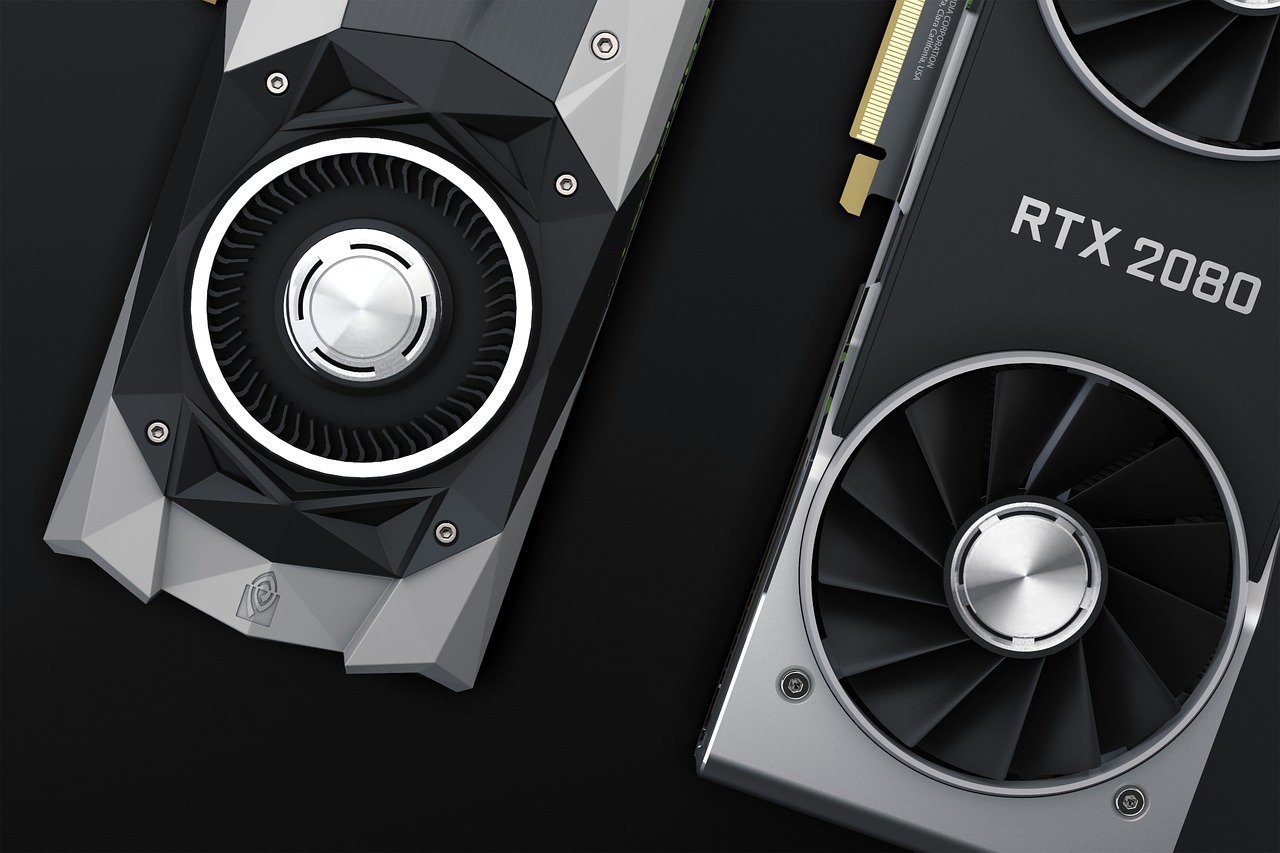
Colossus is recognized as one of the largest AI supercomputers globally, equipped with over 220,000 NVIDIA GPUs. This immense computing power not only supports internal model training but also opens avenues for monetization. By selling spare GPU cycles and offering cloud services, xAI can generate revenue, significantly reducing the marginal cost of additional training runs. This approach transforms compute resources into a capital asset rather than a recurring expense, fundamentally altering the company's financial dynamics.
The Implications of Financial Sustainability
Achieving break-even is more than just a milestone; it signifies a shift in strategy amidst a volatile AI environment. The AI model rankings are notorious for their instability, with today's top performer often being supplanted within months. For companies that depend heavily on cloud-based training, this results in a precarious position, especially when high ongoing costs can quickly erode margins.
xAI's model allows for a more measured approach to competition, focusing on long-term projects rather than immediate rankings. This flexibility is key for a company committed to the ambitious goal of developing Artificial General Intelligence (AGI), a venture likely to span years or decades. By making sure financial sustainability through its infrastructure, xAI enhances its capacity to invest in research and development without the pressure of immediate returns.
Future Considerations for AI Startups
The lessons from xAI's infrastructure investment extend to other AI startups navigating the space. Financial resilience can offer a buffer against the relentless pursuit of model supremacy. Companies that can maintain operations without the necessity of continuous top-tier performance may find themselves better equipped to weather the industry's ups and downs.
In a sector where capital is often consumed by cloud service fees, xAI's model demonstrates that owning infrastructure can be a strategic advantage. The ability to monetize excess compute resources not only improves financial health but also builds innovation and long-term viability. As the AI field continues to evolve, the sustainability model pioneered by xAI could become a blueprint for success in the years to come.
Quick answers
What is Colossus?
Colossus is xAI's AI supercomputer, featuring over 220,000 NVIDIA GPUs.
Why is financial break-even important for xAI?
Achieving break-even allows xAI to operate sustainably without relying solely on model rankings.
How does owning infrastructure benefit xAI financially?
Owning infrastructure enables xAI to monetize spare computing cycles and reduces costs compared to cloud services.

