In recent discussions around women's health, the term "period hair" has emerged, shedding light on an often-overlooked aspect of menstruation. Hormonal fluctuations impact various bodily functions, including hair, leading to noticeable changes in texture and oiliness. While this phenomenon isn't new, it has only recently received the attention it deserves.
The Biological Basis of Period Hair
Research indicates that the same hormones responsible for common premenstrual symptoms, such as breakouts and bloating, also affect the scalp. Dr. Ophelia Veraitch, a consultant dermatologist, explains that the sebaceous glands, which produce sebum to keep hair and skin lubricated, become more active as hormone levels fluctuate. "We know from studies that the cells which make up the oil glands are extremely sensitive to circulating hormones. This is why around your period, your hair is likely to become oilier, too," she stated.
A study highlighted by Natural Cycles supports this, noting that women often experience peak oil production just before their periods. Consequently, many find their hair appearing greasier and less manageable during this time.
The Misguided Approach to Hair Care
In response to these changes, many individuals instinctively increase the frequency of hair washing. However, experts warn that this can be counterproductive. Over-washing strips the scalp of natural oils, prompting the body to compensate by producing even more oil. Dr. Veraitch likens this to the skin's reaction to excessive washing, where it becomes tight and dry before overcompensating with oil production. "It’s the same principle with hair," she noted.
Adjusting Hair Care Routines
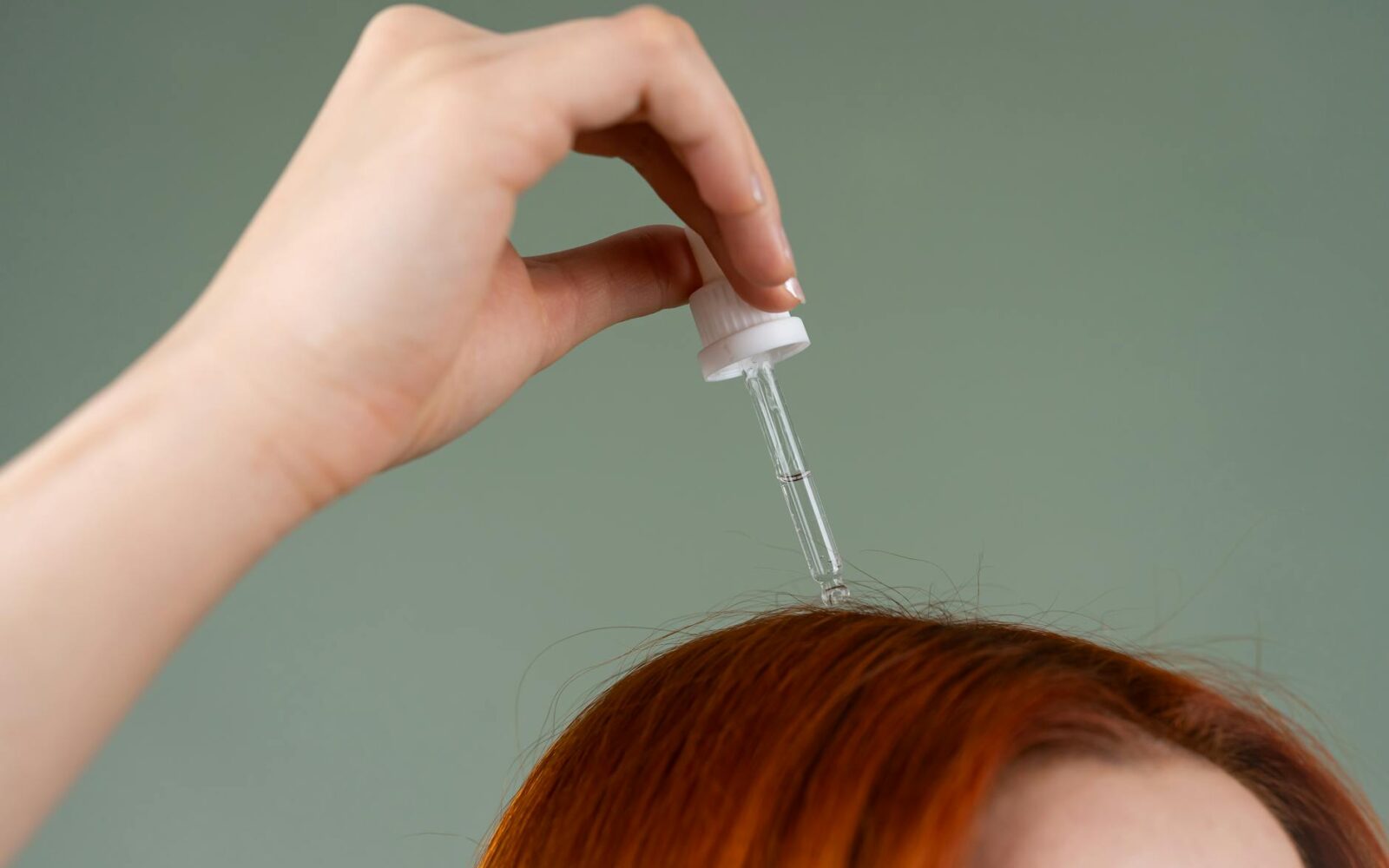
To combat the challenges of period hair, experts recommend adjusting hair care habits. Instead of washing hair more frequently, it may be beneficial to reduce washes and incorporate dry shampoo as an interim solution. Trichologist Helen Reavey, founder of Act + Acre, suggests using a salicylic acid scalp treatment to help balance oil levels. "Opt for a gentle chemical exfoliant such as salicylic acid to balance sebum and oil levels, while calming any irritation, inflammation, or itchiness," Reavey advised.
A Long-Overdue Conversation
The recognition of period hair contributes to broader women's health discussions that have historically been overlooked. Although this phenomenon has existed for years, it lacked a specific name and widespread acknowledgment until now. Understanding the science behind period hair can make it more manageable. With minor adjustments to hair care routines, individuals can alleviate some of the discomfort associated with these hormonal changes.
As awareness grows, the hope is that more women will feel empowered to discuss their experiences openly, paving the way for further exploration into the intersection of hormonal health and personal care.
Quick answers
What causes period hair?
Period hair is caused by hormonal fluctuations during the menstrual cycle that increase oil production in the scalp.
How can period hair be managed?
To manage period hair, experts suggest reducing washing frequency and using dry shampoo. A salicylic acid scalp treatment can also help balance oil levels.