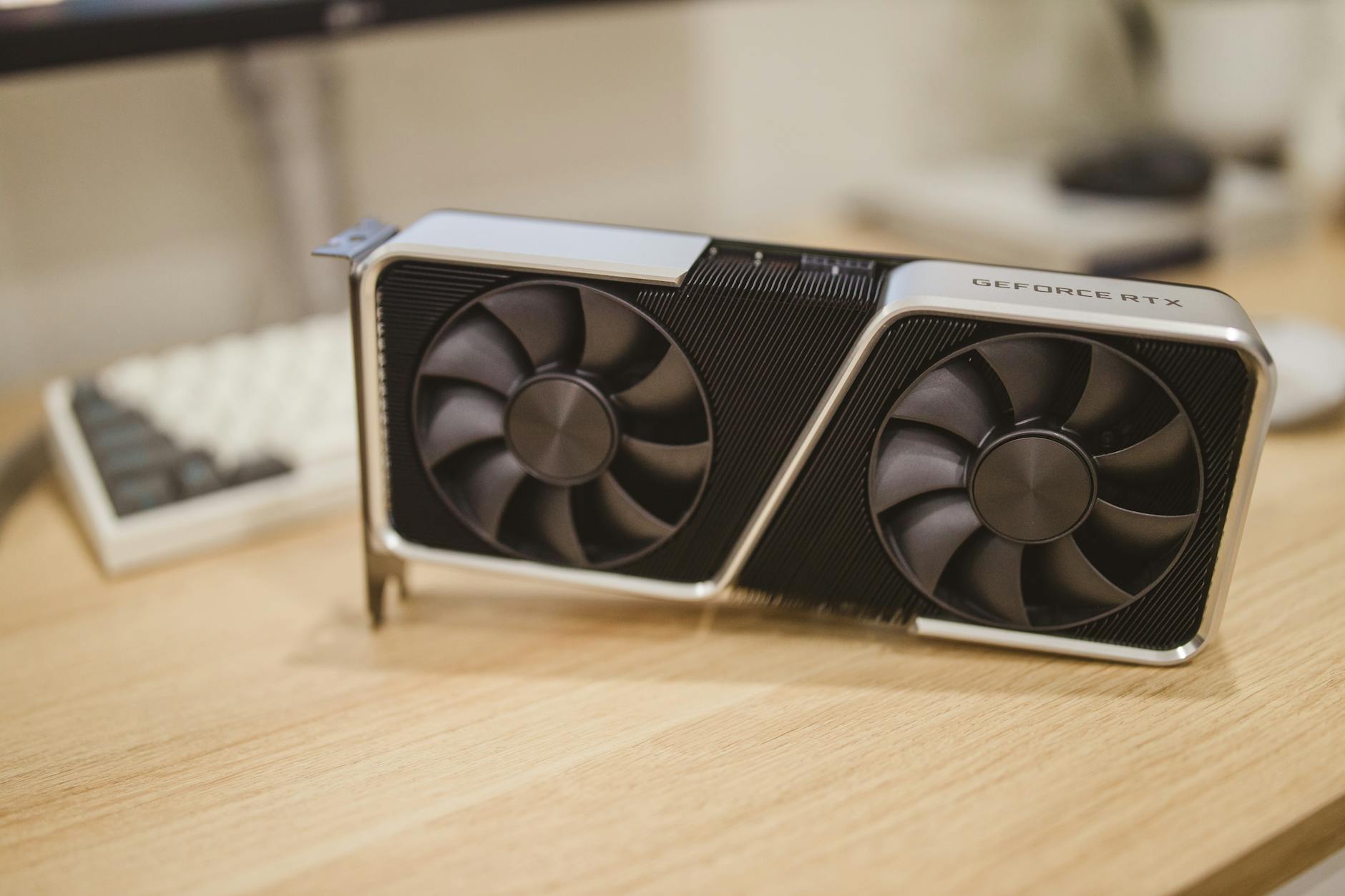
In a clear indication of the ongoing friction between the U.S. and China, recent trade talks in Beijing failed to address the contentious issue of semiconductor chip export controls. U.S. Trade Representative Jamieson Greer noted that this sensitive topic was absent from discussions, highlighting the challenges ahead in resolving bilateral trade tensions.
Despite previous approvals, not a single Nvidia H200 chip has been delivered to China, reflecting Beijing's cautious approach. President Donald Trump remarked that China has chosen not to approve these deliveries as it seeks to further develop its domestic chip technology. This decision emphasizes China's strategic focus on achieving technological independence, especially concerning advanced AI applications.
These discussions occur against the backdrop of China’s aggressive push for self-sufficiency in semiconductor manufacturing. U.S. export controls are increasingly viewed as barriers to this ambition, complicating Beijing's efforts to reduce reliance on foreign technology. As the Chinese government prioritizes domestic chip production, it faces significant obstacles, including ongoing shortages and policy challenges that threaten its technological goals.
Discussions between Trump and Chinese leaders hinted at a possible avenue for AI cooperation, despite the prevailing atmosphere of mutual distrust and rivalry. The potential for collaboration in AI, juxtaposed with stringent export controls, creates a complex scenario for both nations. As China seeks to enhance its military capabilities, the implications of semiconductor dependency become even more significant.
Looking ahead, the continued impasse over semiconductor exports may hinder not only Nvidia's aspirations in the Chinese market but also the broader development of AI. The geopolitical challenges surrounding AI technology, particularly in relation to military applications, will likely remain fraught with tension as both nations navigate their competing interests. With China's commitment to advancing its own technology, the stakes for U.S. companies in this space have never been higher, raising questions about the future of AI collaboration and competition between these two global powers.
Quick answers
What are the implications of U.S. export controls on China?
U.S. export controls hinder China's ambitions for semiconductor self-sufficiency and may slow down its advancements in AI technology.
Why has China not approved deliveries of Nvidia’s H200 chips?
China is focusing on developing its own chip technology, leading to a cautious stance on foreign chip deliveries.
What was discussed in the recent U.S.-China trade talks?
The talks did not address semiconductor export controls, a critical issue affecting trade relations.