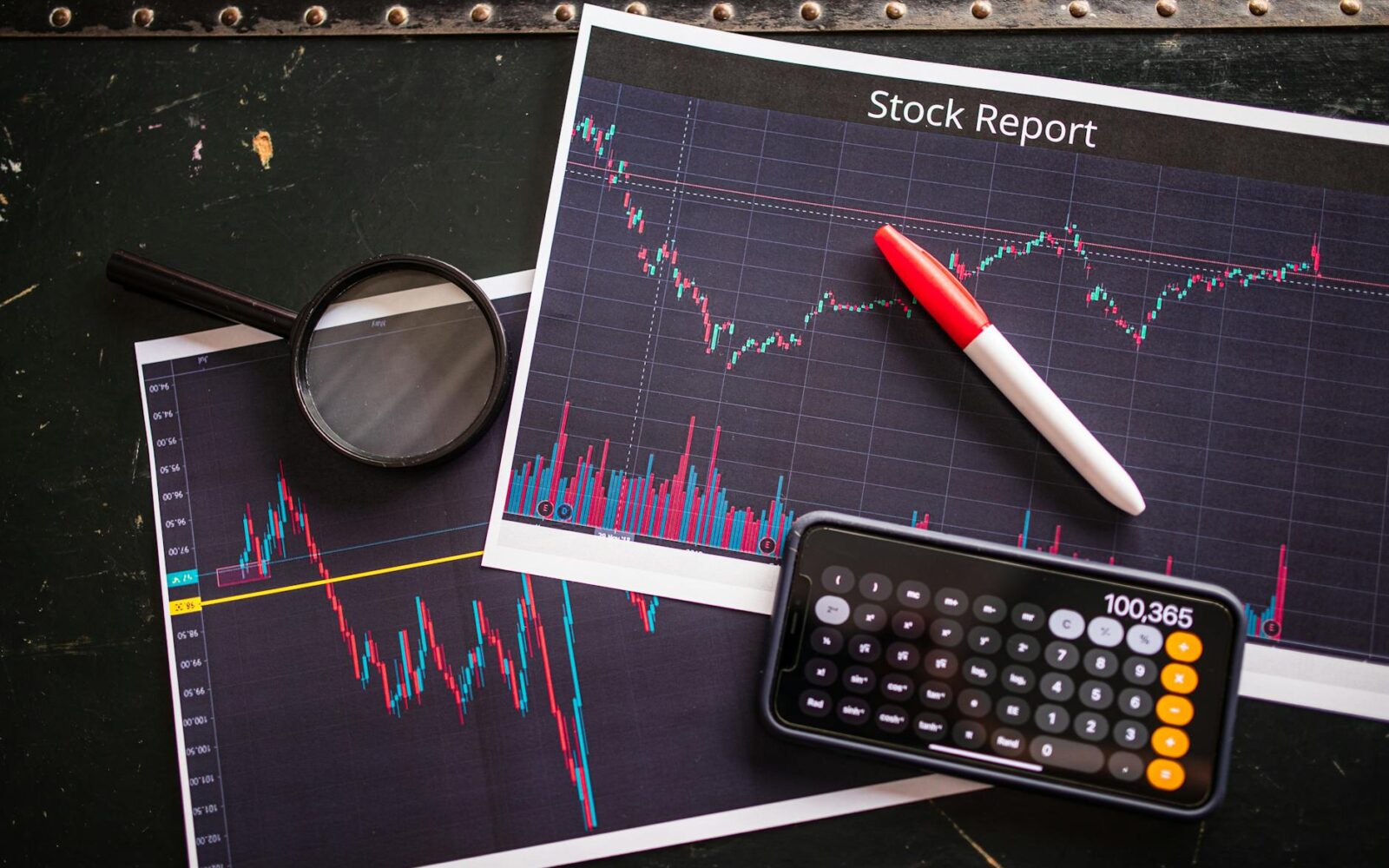
On May 18, 2026, stock markets experienced a notable downturn, while oil prices surged, signalling a potential shift in investor behaviour. Analysts are now closely monitoring the bond market, indicating that portfolio strategies may be recalibrating.
Market participants are reacting to a complex mix of economic indicators influencing trading decisions. The rise in oil prices stems from factors such as geopolitical tensions and supply chain disruptions, which have historically increased volatility in energy markets. As oil becomes pricier, investors are evaluating how this shift impacts broader economic conditions, particularly inflation and consumer spending.
Industry experts gathered for Bloomberg Television's closing segment offered insights into the current climate. Stephanie Guild, CIO of Robinhood Markets, and Fabio Natalucci from the Andersen Institute shared their perspectives on the evolving situation. Dan Ives of Wedbush Securities discussed the potential implications of rising oil prices on corporate earnings, while Tim Adams, President and CEO of the IIF, talked about the strategic move toward bonds as a safeguard against stock market fluctuations.
Julie Biel from Kayne Anderson Rudnick stressed the importance of diversifying asset allocations in response to these changes. "Investors are increasingly looking for safe havens as uncertainty looms over the stock market. Bonds are becoming a focal point for those seeking stability," Biel noted.
Darius Dale, founder of 42 Macro, highlighted that the current economic backdrop may boost demand for bonds, especially as central banks adopt a more cautious stance on interest rate hikes. Steve Westly, founder of Westly Group, echoed this view, suggesting that the bond market could attract renewed interest from both institutional and retail investors looking to hedge against potential downturns.
Atsi Sheth, Chief Credit Officer at Moody's Ratings, provided additional context, stating that the credit landscape is evolving in response to these developments. "We are likely to see shifts in credit ratings as sectors adjust to the pressures from rising oil prices and changing economic forecasts," Sheth remarked.
As these discussions progress, the overall market sentiment reflects cautious optimism. Investors appear to be weighing the benefits of bonds against stock market instability. This shift may signal a longer-term trend, as market players increasingly seek refuge in safer assets amid ongoing economic uncertainties. Expert insights suggest that the upcoming weeks could be crucial in determining how these dynamics unfold across various sectors.
Looking ahead, analysts will keep a close eye on the relationship between oil prices, stock performance, and bond yields. The current environment presents both challenges and opportunities for investors as they navigate a market marked by volatility and potential economic changes.
Quick answers
What is driving the decline in stock prices?
The decline in stock prices is attributed to rising oil prices and potential economic uncertainties.
Why are investors shifting focus to bonds?
Investors are seeking stability and protection against stock market volatility, prompting increased interest in bonds.