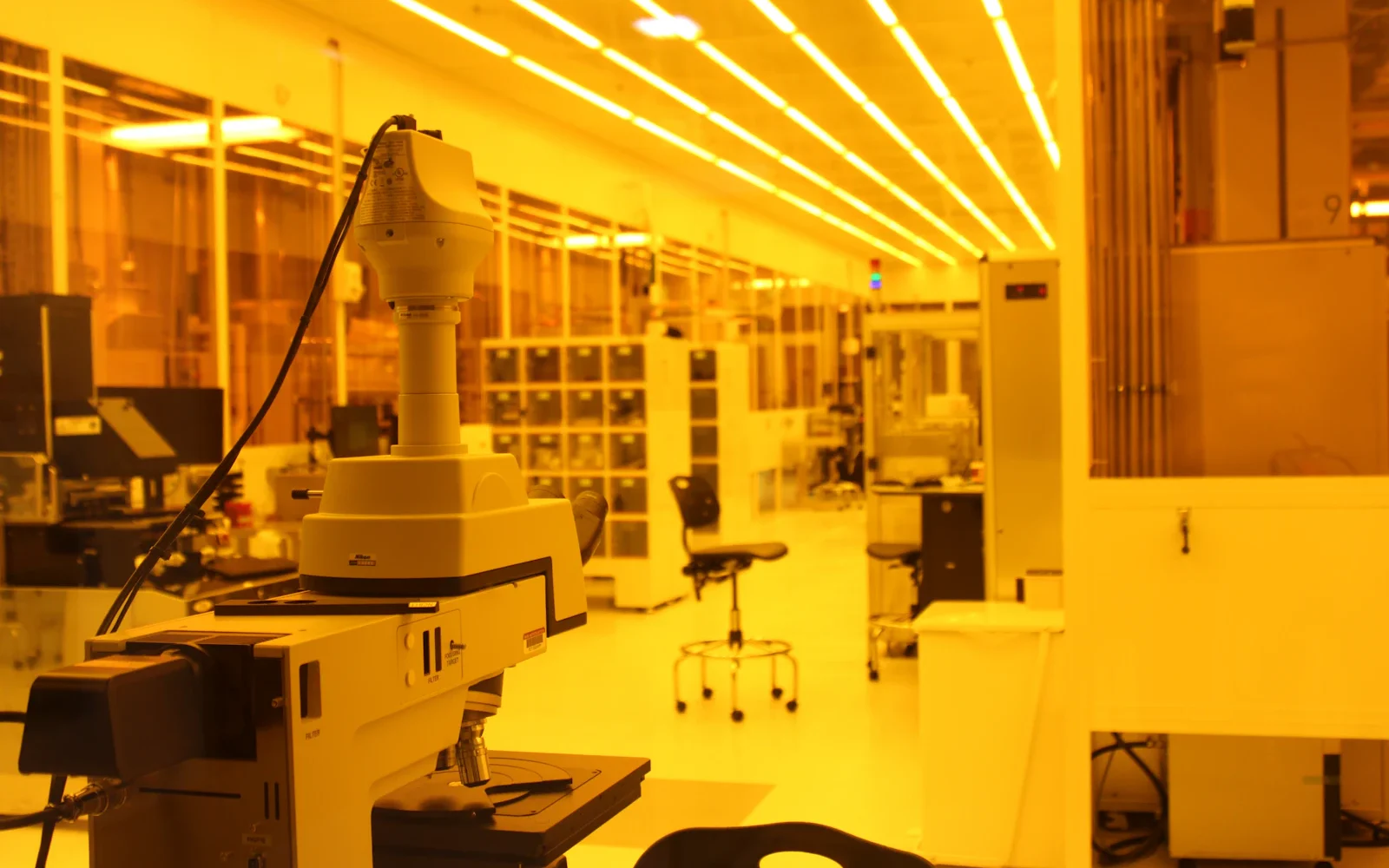
The semiconductor manufacturing sector in China is undergoing a significant transformation, marked by SMIC's recent acquisition of over 800 machines from AMEC, a company advancing in chipmaking technology. This move highlights the increasing capabilities of domestic Chinese firms in an industry traditionally dominated by international players.
AMEC's Technological Advancements
Founded by Gerald Yin Zhiyao, AMEC has established itself as a leader in plasma etching technology, now regarded as a standard in the field. In a recent interview with CCTV, Yin stated that AMEC aims to capture over 60% of the market for high-end critical equipment and more than 70% for advanced packaging equipment within five years. This ambitious objective reflects a broader strategy to localize semiconductor production amid rising geopolitical tensions.
Zhang Rujing, founder of SMIC, emphasized the significance of these machines, noting that their integration into SMIC's operations will improve the company's efficiency and technological capabilities. This purchase signals a strong demand for advanced manufacturing tools within China's chip fabrication sector.
Growth and Market Position
AMEC has reported impressive growth, with first-quarter 2026 revenue increasing by 34.13% year-on-year to RMB 2.915 billion, while net profit soared by 197.2% to RMB 930 million. The company's R&D expenditures also demonstrate a solid commitment to innovation, rising by 32.15% to RMB 908 million, which accounts for over 31% of its total revenue. These figures underscore AMEC's strategy of heavily investing in research and development to enhance its product offerings and compete more aggressively in the global market.
The company specializes in etching systems that support a range of chip technologies, from mature 65nm nodes to advanced 3nm technologies. Their equipment is already in use within TSMC's supply chain, highlighting AMEC's growing importance in the industry.
Overcoming Challenges
Despite these advancements, AMEC and other Chinese semiconductor equipment manufacturers face challenges, particularly in lithography and certain semiconductor process technologies where they lag behind established firms from the U.S., Japan, and the Netherlands. However, AMEC's breakthrough in very high frequency decoupled reactive ion etching technology, which enhances precision and efficiency, positions the company favorably against international competitors.
As AMEC continues to expand its capabilities and market share, its focus on developing domestic alternatives across 17 categories of semiconductor manufacturing equipment previously dominated by foreign companies further demonstrates its commitment to reducing reliance on imports. This localization effort is crucial as global supply chains remain uncertain, making domestic production increasingly vital for national security and economic independence.
Looking Forward
The growing semiconductor sector in China, driven by strategic investments and technological advancements, is poised to reshape the global semiconductor landscape. As AMEC continues to innovate and SMIC capitalizes on these capabilities, the dynamics of chip production may experience a fundamental shift. The success of this localization strategy in the coming years will be closely monitored, as it could redefine competitive advantages in the semiconductor industry both within China and on a global scale.