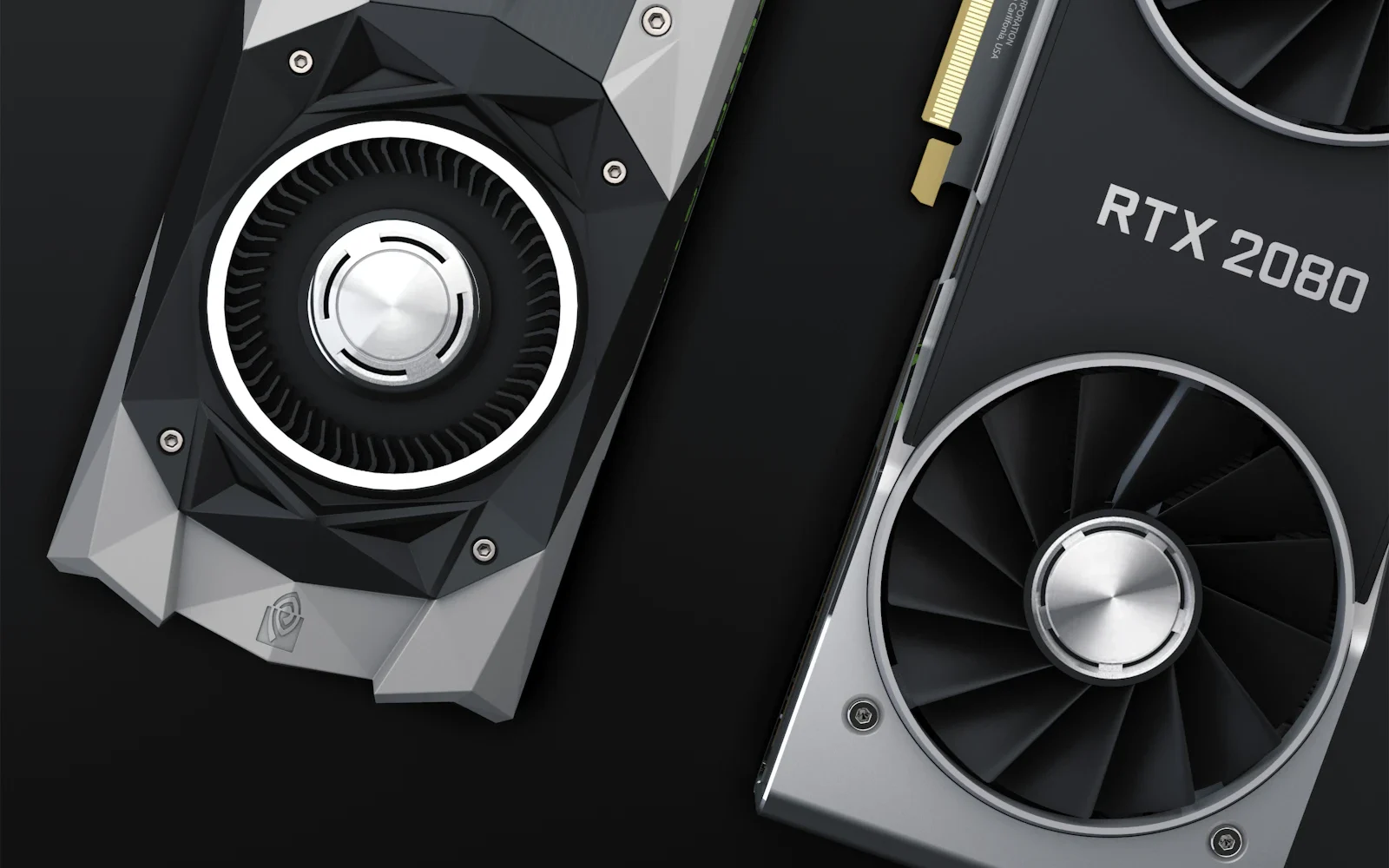
Nvidia's quest to expand its footprint in China has encountered significant obstacles, even amidst high-profile diplomatic efforts. Following a summit in Beijing between US President Donald Trump and Chinese President Xi Jinping, it became clear that China remains reluctant to embrace American technology, particularly Nvidia's H200 chip. Trump confirmed that Chinese officials had declined to purchase the chip, stating, "they want to develop their own."
The situation appears bleak for Nvidia, which has seen its market share in China plummet from approximately 95% to virtually zero. Analysts estimate that the company could be losing between $3.5 billion and $4 billion annually due to this contraction. The H200 chip, Nvidia's second-most-advanced AI offering, had been cleared for import by the US Commerce Department for about ten Chinese firms, including major players like Alibaba and Tencent. However, no units have yet been shipped, as the Chinese government has not approved the stringent terms imposed by the US.
Under the current framework, every H200 chip must undergo third-party inspections in the US before being exported to China, and Nvidia is required to remit 25% of each sale to the US Treasury. This arrangement has faced resistance from Beijing, which has made it clear that it will not accept such conditions. US Trade Representative Jamieson Greer remarked that the decision now rests with Chinese authorities, emphasizing that it is a sovereign choice for China.
The Context Behind Nvidia's Diplomacy
Jensen Huang, Nvidia's CEO, joined the presidential delegation at the last minute, boarding Air Force One after Trump personally invited him. His presence was seen as a key addition, given the optics of high-level discussions involving other tech executives like Tim Cook and Elon Musk. However, the lack of tangible results from these meetings has raised doubts about the effectiveness of such engagements.
Despite the attention surrounding the summit, discussions on chip export controls did not lead to any concrete agreements. Trump mentioned that the topic was addressed but provided no specifics or timelines, leaving stakeholders questioning the future of US-China tech relations. The overarching theme of the talks revolved around establishing AI regulations or "guardrails," though no formal channel for ongoing discussions was created.
China's Domestic Alternatives
The reluctance of Chinese companies to engage with Nvidia is compounded by their investments in domestic technologies. DeepSeek, a Chinese AI firm, recently announced that its latest model is optimized to run on Huawei chips, marking a strategic shift that Huang has been warning about for some time. This trend reflects the broader push within China to develop self-sufficient technologies and reduce reliance on foreign components.
China's pivot towards homegrown alternatives has seen several firms backtrack on previously placed orders for Nvidia's chips. Commerce Secretary Howard Lutnick disclosed that pressure from the Chinese government played a significant role in this decision, signaling a clear intent to foster local capabilities at the expense of foreign technologies.
Forward-Looking Implications
As Nvidia grapples with these challenges, the company’s annual revenue guidance of $78 billion does not currently account for any recovery in the Chinese market. With the ongoing geopolitical tensions between the US and China, the path forward for Nvidia will likely require more than just diplomatic overtures.
This situation serves as a critical bellwether for the future of AI technology exchanges between the two countries. As both nations navigate their competing interests, the outcome will have lasting implications not only for Nvidia but for global tech supply chains as a whole.
Quick answers
What is the current status of Nvidia’s H200 chip in China?
Despite US government clearance, no H200 chips have been shipped to China due to Beijing's refusal to accept the stringent export conditions.
How has Nvidia’s market share in China changed?
Nvidia's market share in China has dropped from around 95% to essentially zero, with analysts estimating a loss of $3.5 to $4 billion annually.
What were the main topics discussed during Trump’s meeting with Xi Jinping?
The discussions included AI regulations and the potential for a dedicated bilateral channel for ongoing AI dialogue, but no formal agreements were reached.