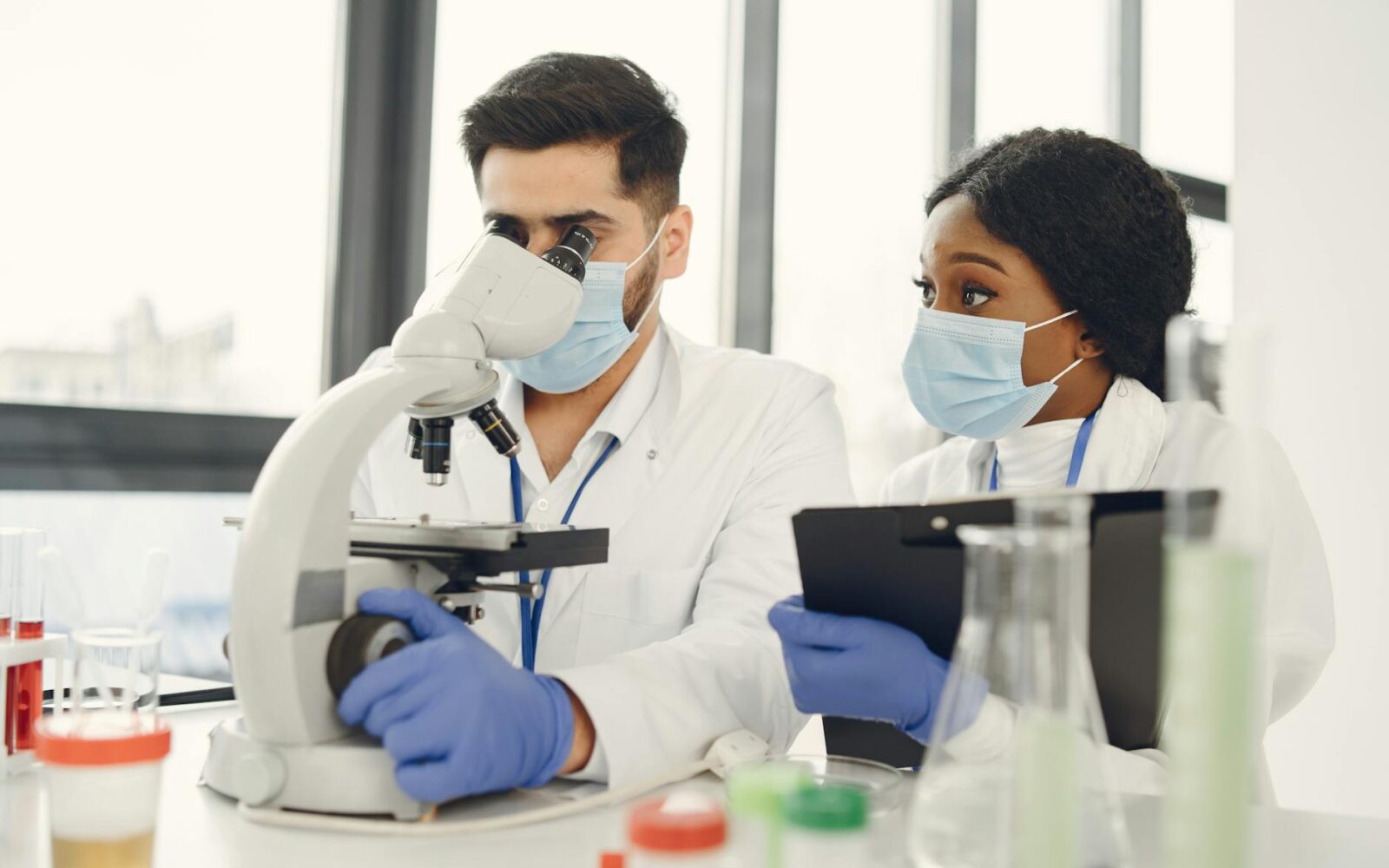
A new wave of research into amyotrophic lateral sclerosis (ALS) is emerging from an unexpected collaboration between mechanical engineer Ritu Raman and chemical biologist Ryan Flynn. Their partnership, supported by Co-Scientist, is enhancing the understanding of ALS by integrating diverse scientific disciplines.
Bridging Expertise
Ritu Raman, based at MIT, typically focuses on constructing living nerve and muscle tissues to model diseases that affect voluntary movement. In contrast, Ryan Flynn works at Boston Children's Hospital, examining RNA on cell surfaces to understand cellular communication and pathogen invasion. Although they operate in distinct fields, the two scientists turned to Co-Scientist to help bridge their knowledge gaps as they navigate the complexities of ALS research.
When Raman began her exploration of ALS, she encountered a vast array of conflicting literature that would usually require extensive time to analyze. Co-Scientist accelerated this process, allowing her to quickly sift through evidence relevant to her tissue models. The platform helped her transform abstract ideas into concrete hypotheses while also prioritizing research paths based on practical factors such as feasibility and risk-reward analysis.
Finding Common Ground
Despite the insights gained from Co-Scientist, Raman faced a significant challenge. The promising leads she identified were primarily related to interactions at the cell surface, an area outside her expertise. This knowledge gap sparked a productive collaboration between her and Flynn. By sharing insights derived from Co-Scientist, Raman proposed new research directions that complemented Flynn's work.
Together, they iteratively utilized Co-Scientist, merging their unique perspectives to forge innovative research pathways. Their collaborative effort is now focused on uncovering novel RNA-based mechanisms that could lead to the development of RNA-based drugs. Such therapies have the potential to specifically target ALS, paving the way for more effective treatments.
A New Era for ALS Research
This partnership exemplifies how interdisciplinary collaboration can drive scientific advancement, especially in complex fields like ALS research. By integrating their respective strengths, Raman and Flynn are not only enhancing their understanding of ALS but also laying the groundwork for potential breakthroughs in treatment.
In a field where every piece of information is critical, the rapid synthesis of knowledge and the ability to pivot research strategies are invaluable. As this collaboration progresses, the scientific community is closely watching how these innovative approaches will influence ALS therapy development. The journey from hypothesis to potential drug candidates is filled with challenges, but with the combined efforts of engineers and biologists, the future of ALS research looks promising.

