Elon Musk’s ambitious vision of a solar-powered future seems to be fading as xAI, one of his latest ventures, increasingly relies on natural gas for its AI data centers. The recent SpaceX IPO filing suggests a significant shift away from Musk's long-standing commitment to renewable energy, raising concerns in both the tech and environmental sectors.
For years, Musk has promoted the electrification of the economy through Tesla’s Master Plans, clearly aiming to transition from a hydrocarbon-based economy to one powered by solar energy. He famously stated, “the overarching purpose of Tesla motors…is to help expedite the move from a mine-and-burn hydrocarbon economy towards a solar electric economy.” However, this narrative has shifted sharply with xAI’s decision to purchase dozens of unregulated natural gas turbines and plans to invest $2.8 billion in additional fossil fuel infrastructure.
This pivot is particularly striking given Musk’s history of advocating for clean energy solutions. Ironically, the same entrepreneur who has championed electric vehicles and solar technology is now making fossil fuels a core component of his AI operations. Notably, xAI has spent $697 million in the past two years on Tesla’s battery storage systems but has not acquired a significant number of solar panels from Tesla.
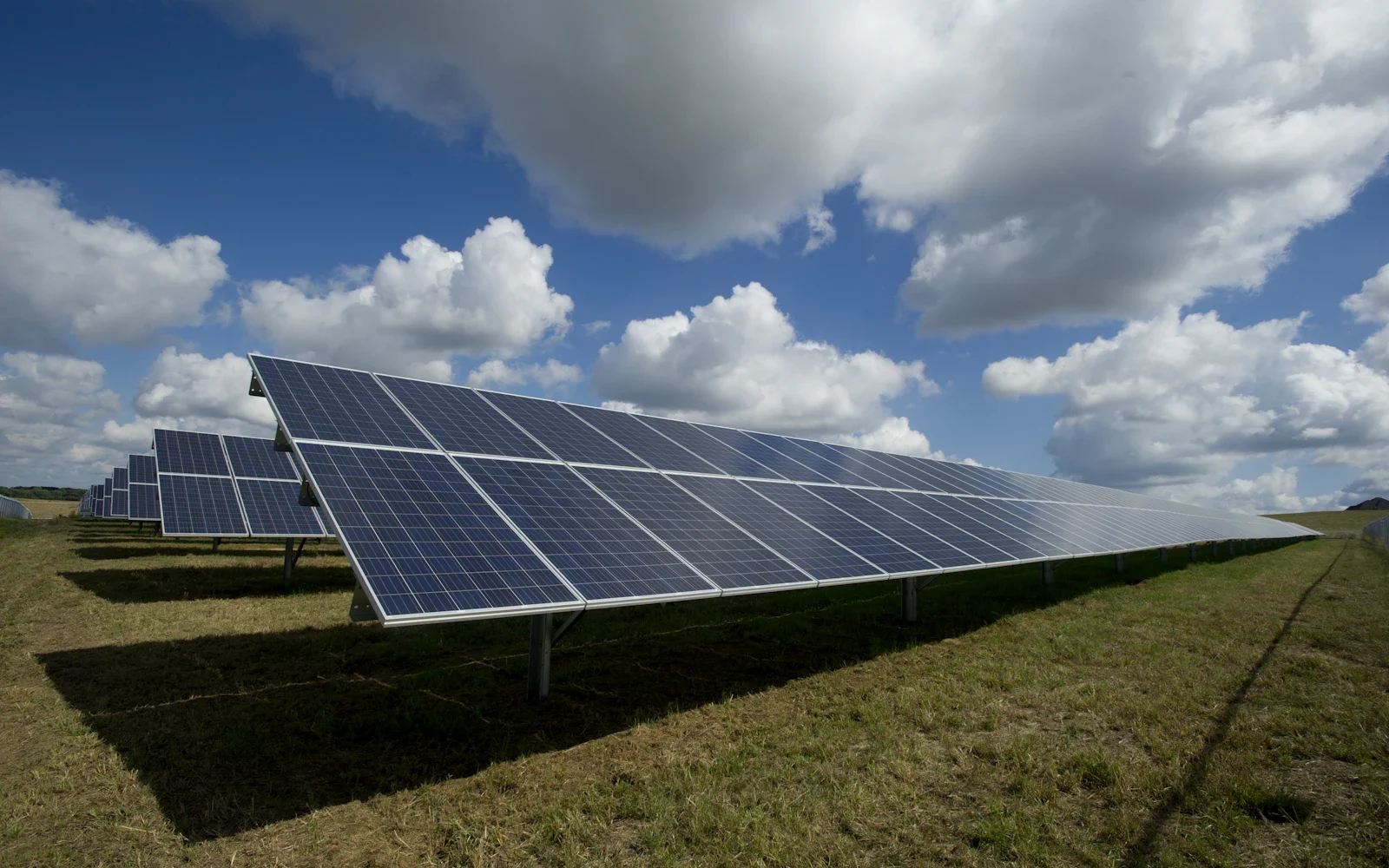
While the SpaceX filing does mention solar, its primary focus is on space-based solar power as a future energy source. SpaceX claims that solar arrays in orbit could generate more than five times the energy compared to those on Earth due to uninterrupted sunlight exposure. This highlights a growing interest among Musk and other executives in harnessing solar power from space, especially as terrestrial solar energy faces increasing challenges.
Establishing data centers in space presents its own challenges. The costs associated with launching and operating such facilities are substantial, particularly since power prices for Starlink satellites are significantly higher than those for terrestrial data centers. Protecting sensitive AI chips from harsh space conditions adds another layer of complexity. Given these hurdles, it remains uncertain whether AI training can be effectively distributed across multiple satellites, leaving much computation still tied to Earth.
Musk seems to regard xAI’s current reliance on natural gas as a short-term solution, with plans to shift substantial computing power into orbit in the coming years. However, this vision carries risks, especially if advancements in space technology do not occur as quickly as he anticipates.
Musk's concerns go beyond logistical challenges. He recognizes the rapidly growing demand for AI computing power, which he estimates will require a terawatt-scale increase annually. Current global data centers consume around 40 gigawatts, highlighting the monumental growth Musk predicts.
Musk’s assertion that existing estimates of data center demand are limited by current terrestrial supply capabilities underscores his commitment to pushing boundaries. He states, “We believe that third-party estimates on data center demand are constrained by the practical supply limitations that exist in a terrestrial context and the power shortage may be far greater than what research estimates suggest.” This perspective indicates a bold, if controversial, strategy that prioritizes immediate energy needs over long-term sustainability.
As Musk navigates this complex situation, the implications for his companies and the broader energy sector are significant. The shift towards fossil fuels challenges the narrative of environmental responsibility that has been central to Musk’s brand. Stakeholders will be watching closely to see if this trend continues or if Musk can return to his previously stated commitment to renewable energy while addressing the high demands of AI.

