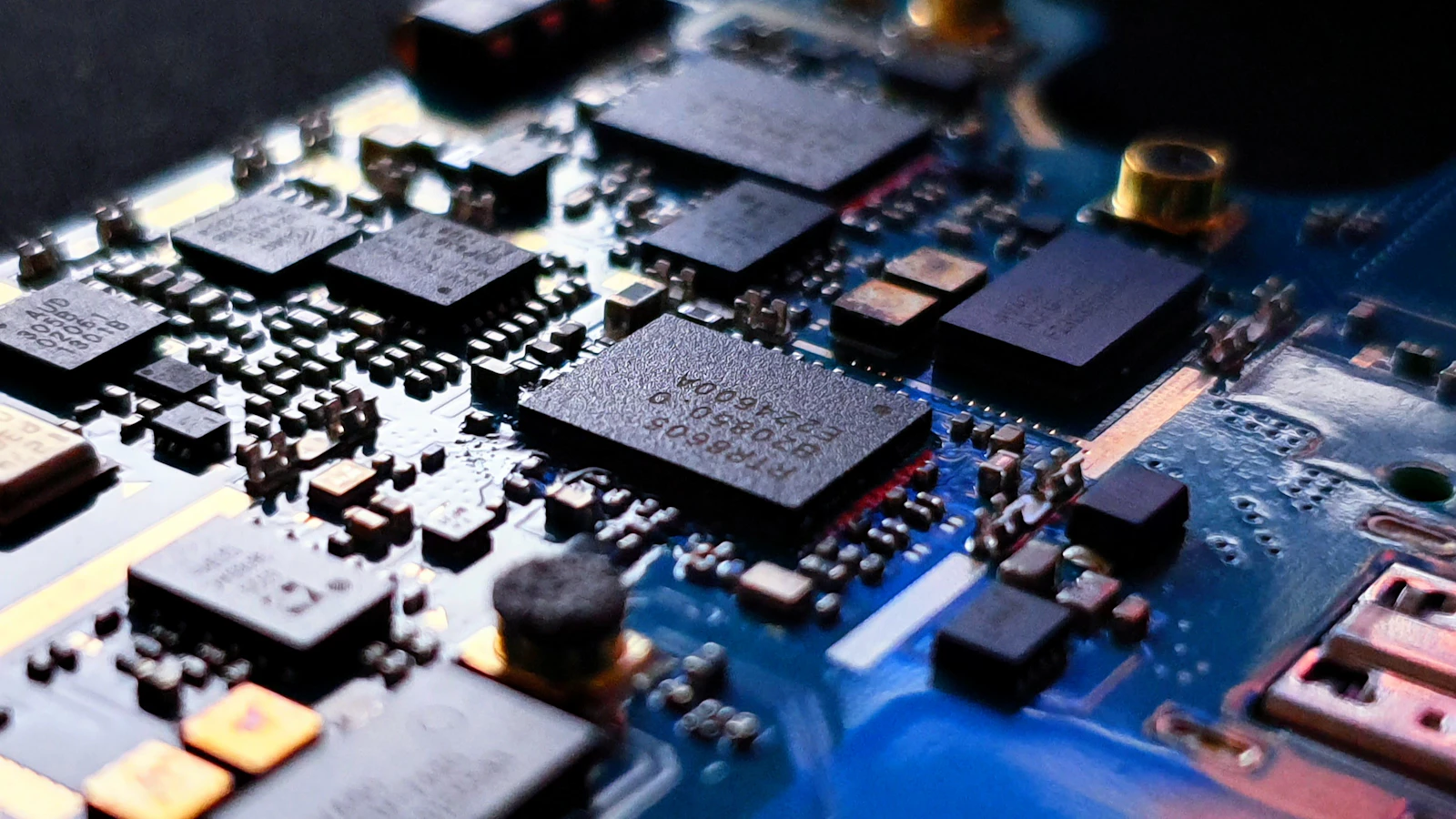
The AI sector is witnessing an unexpected trend: older Nvidia GPUs are gaining traction, challenging traditional semiconductor depreciation norms. CoreWeave, a key partner of Nvidia, recently reported that models like the Hopper and Ampere are experiencing increased demand. Co-founder Brannin McBee highlighted the significant profitability of these aging chips at the J.P. Morgan Technology, Media, and Communications Conference.
This shift is significant in an industry where newer generations typically overshadow older technology, leading to a rapid decline in value. However, CoreWeave’s insights indicate that AI customers are focusing on workload economics rather than simply acquiring the latest hardware. McBee stated, "They’re not running for free and for fun. They’re running because they’re profitable." This reflects a change in market dynamics, where older Tesla and Volta GPUs from the late 2010s continue to generate revenue in cloud environments despite exceeding standard depreciation timelines.
A New Economic Model for GPUs
The traditional six-year depreciation model for GPUs may soon become obsolete. CoreWeave suggests that the economic lifespan of AI compute assets could extend significantly, allowing older models to retain value longer than previously expected. This view aligns with a broader industry sentiment that demand for AI infrastructure is diversifying beyond just large-scale frontier-model training.
While Nvidia's latest Blackwell chips are crucial for advanced AI initiatives, older GPUs are finding new roles in inference workloads and cost-sensitive enterprise AI deployments. This evolving scenario could create sustained monetization opportunities for Nvidia's existing GPU base.
Nvidia's Market Position Remains Strong
Despite emerging alternatives like Google TPUs, CoreWeave's findings show that customer demand for Nvidia GPUs remains stable. McBee pointed out that clients specifically request Nvidia products, reinforcing the company's dominance in the AI sector. The ability to rely on a familiar ecosystem enhances customer loyalty, suggesting that Nvidia's advantages include not just chip capabilities but also software compatibility and deployment expertise.
CoreWeave's insights contribute to a growing narrative that Nvidia's ecosystem is resilient, with older GPUs now regarded as valuable assets in the evolving AI infrastructure market. As companies continue to utilize these older models for profitability, it may redefine how the market values GPU technology, potentially leading to a longer lifespan for models once considered obsolete.
The AI boom is reshaping expectations for GPU longevity, with older Nvidia models emerging as unexpected profit centers in a changing economic landscape. This trend could prompt further investment in AI infrastructure and encourage a more dynamic approach to technology lifecycle management.