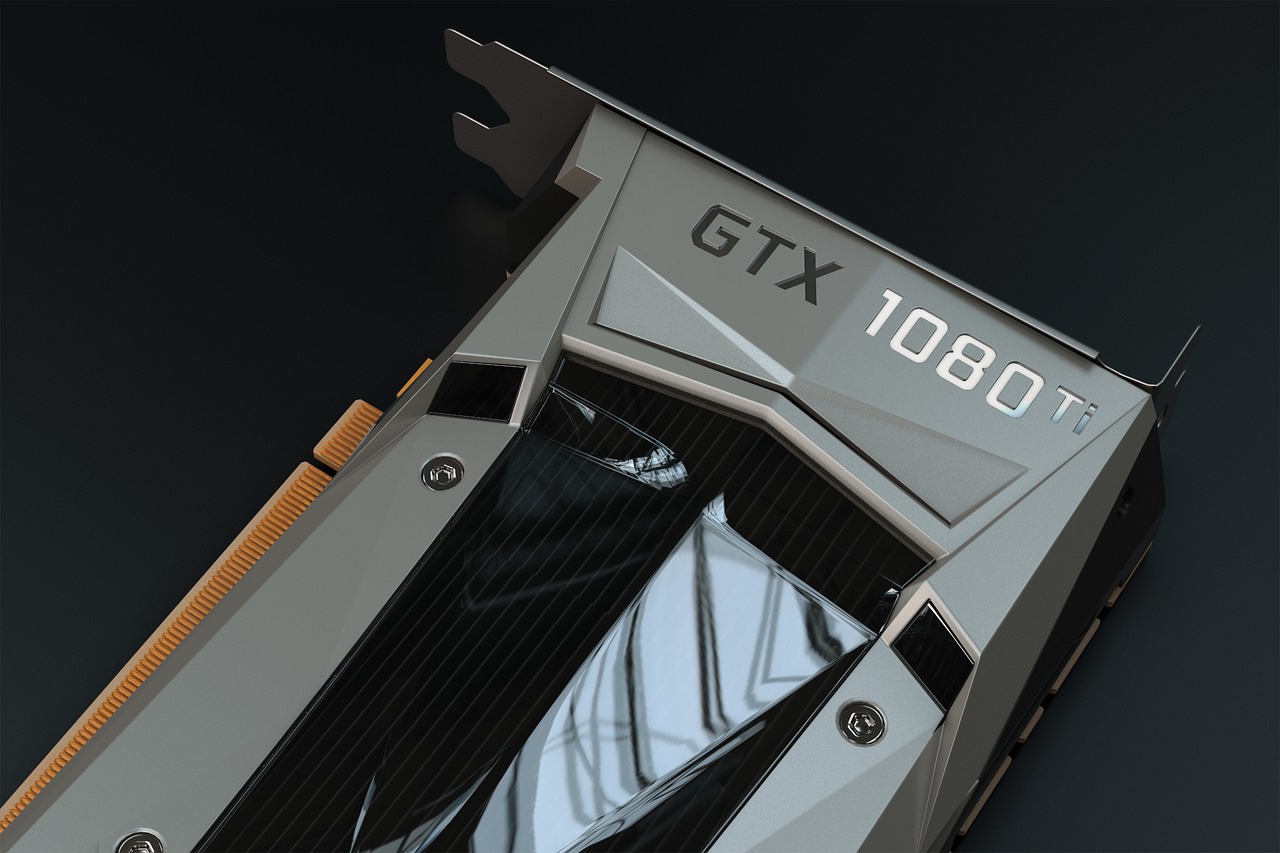
The escalating costs of building data centers with NVIDIA's Blackwell GPUs have reignited discussions about their value in AI infrastructure. Constructing a data center with these high-performance chips is estimated to cost twice as much as using application-specific integrated circuits (ASICs) from competitors like Google and Amazon. Despite this, analysts at Morgan Stanley argue that the efficiency gains make this investment worthwhile.
In its latest report, Morgan Stanley analyzes the performance per Watt of NVIDIA's Blackwell series compared to custom chips from Google and Amazon. The bank's findings show that for hyperscalers, the capital expenditure of a one gigawatt data center equipped with NVIDIA's Blackwell GPUs is significantly higher than those using Google's tensor processing units (TPUs) or Amazon's Trainium chips. However, the investment firm emphasizes that this increased spending is offset by a performance advantage, noting that NVIDIA's chips can deliver efficiency levels that are two to eight times better than those of their ASIC competitors.
The report also highlights specific models within NVIDIA's GPU lineup, including the Vera Rubin and H100 series, showcasing their Trillion Floating Point Operations Per Second (TFLOPS) performance metrics. The Vera Rubin (FP4) GPU leads with an impressive score of 19.5 TFLOPS per Watt, while the other models, including the GB300 and H100, register scores of 6.8, 6.0, and 3.1, respectively. In comparison, Google’s TPUv7 and Trn3 chips lag behind with performance scores of 4.3 and 2.5, indicating that NVIDIA's offerings are setting a high standard for efficiency.
However, industry experts suggest that performance is no longer the only metric influencing purchasing decisions. There is a noticeable shift towards cost-efficiency, as companies assess the cost per million tokens generated alongside the operational costs of running GPUs. According to estimates from AI infrastructure provider Nebius, Groq's chips reportedly generate tokens at a rate of up to 800 per second, costing between five to ten cents per token. In contrast, NVIDIA's Blackwell chips are priced at 25 cents per token with a generation rate of approximately 450 tokens per second. This emerging cost analysis could impact future purchasing choices for AI infrastructure.
Looking ahead, NVIDIA's ability to maintain its market position will likely hinge on balancing performance and cost-efficiency in a space increasingly filled with alternative chip providers. While the Blackwell GPUs currently excel in performance metrics, ongoing scrutiny over their operational costs may force NVIDIA to adjust its pricing strategies or improve the efficiency of its chips to preserve its competitive edge.
As the AI infrastructure market evolves, discussions around NVIDIA's pricing and performance will remain crucial for investors and developers, shaping the future of AI computing capabilities.