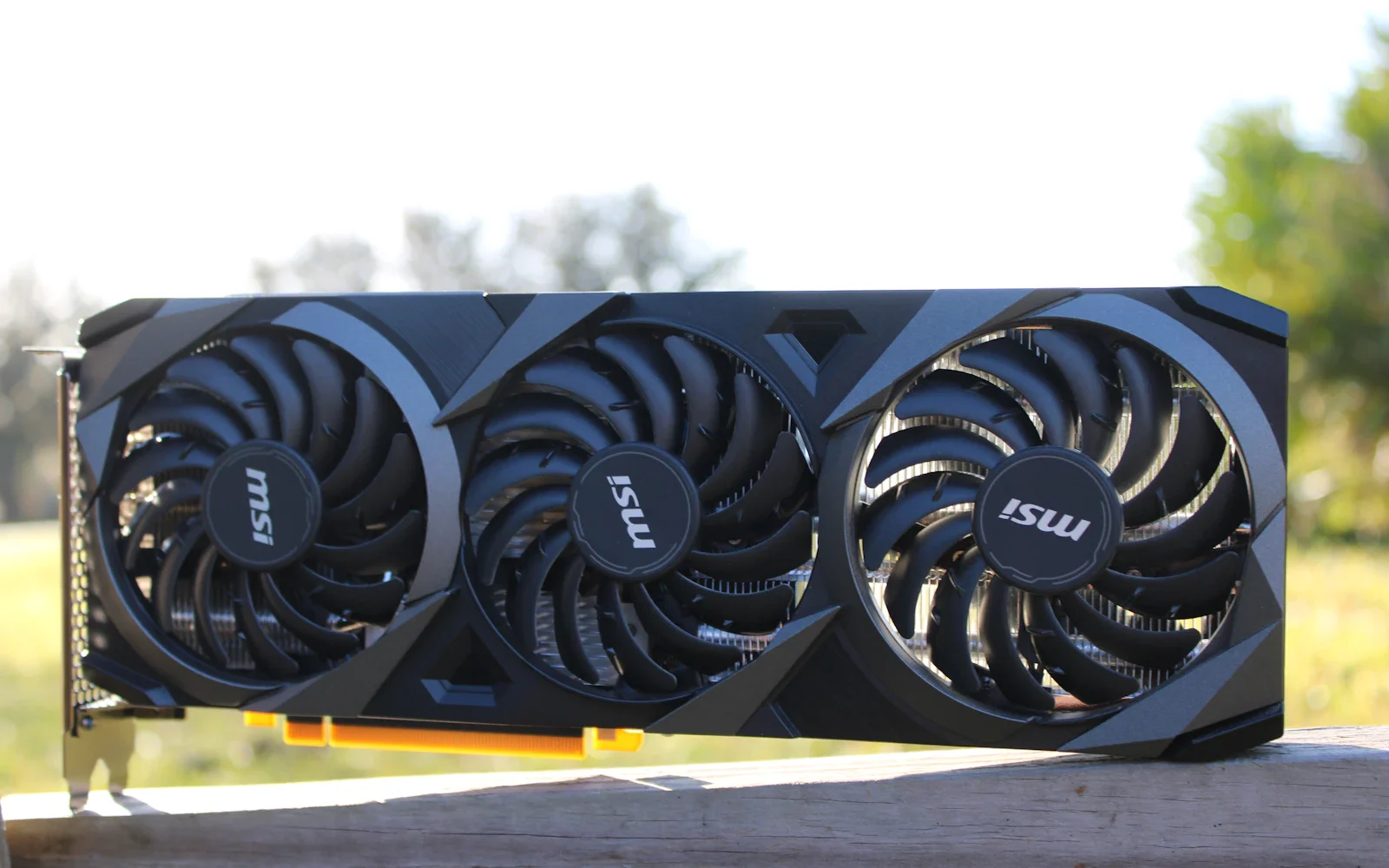
A recent update to llama.cpp has resolved a VRAM leak affecting the Multi-Token Prediction (MTP) stack, which could lead to server crashes during prolonged use. Merged on May 21, this patch makes sure that local AI agents can operate more reliably over extended periods, addressing a concern for startups deploying self-hosted models.
The leak was particularly problematic in environments where local AI models were expected to run autonomously, sleeping and waking without constant monitoring. Contributor am17an reported in pull request #23461 that the server's reset mechanisms were not freeing all resources adequately. This led to a slow accumulation of VRAM usage, ultimately resulting in out-of-memory errors during operation.
To fix this, the latest update explicitly resets the speculative decoder and associated draft resources before reinitializing the main model. This change prevents the use-after-free errors that previously plagued the system and improves overall memory management. Maintainers ggerganov and allozaur endorsed this update, merging it into the master branch as commit 52fb93a.
The timing of this patch is notable, as MTP support was integrated just days earlier on May 16 through pull request #22673. That update introduced MTP heads capable of improving token prediction accuracy and processing speed. Early tests indicated a steady-state acceptance rate of around 75%, with performance gains that doubled the speed compared to baseline operations.
The implications of this fix go beyond technical adjustments. For startups developing self-hosted coding assistants or research agents, system reliability is key. A model that crashes after idle periods undermines its utility and can jeopardize business operations. Thus, while the May 21 patch addresses a specific bug, its broader impact emphasizes the growing importance of memory management and uptime in local AI applications.
MTP technology enables models to predict several tokens ahead, reducing delays associated with traditional autoregressive generation methods. This capability allows local AI agents to function more like cloud-based APIs, enhancing user experience, especially for those generating extensive outputs like code patches or detailed explanations.
As companies move from experimental to production environments, dependable local inference solutions become critical. The recent updates to llama.cpp highlight a shift in focus toward not only performance metrics but also the operational integrity of AI systems. For businesses, a slow or crashing model can lead to significant disruptions, making reliability an essential requirement.

