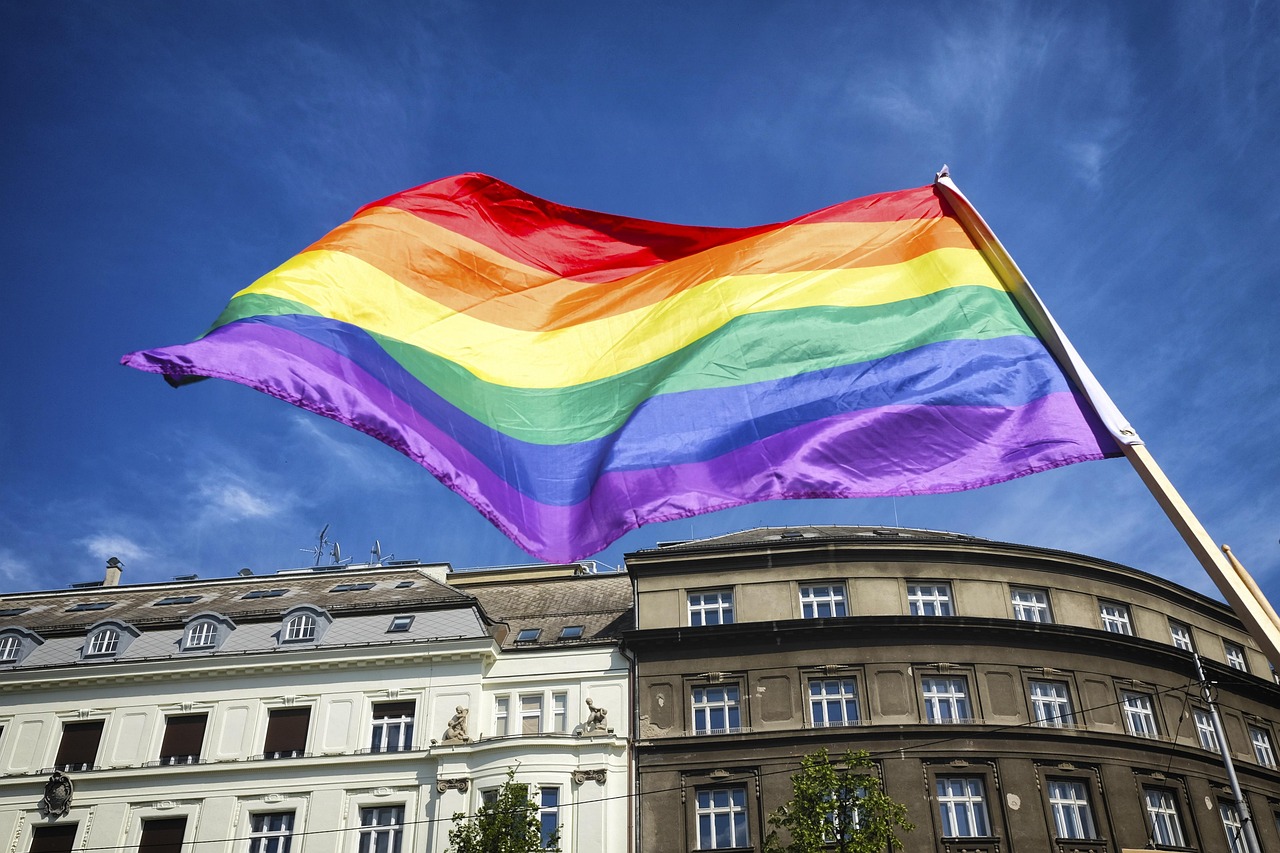
This weekend, what was expected to be a vibrant celebration of LGBTQ+ pride in Long Beach turned into a scene of confusion and disappointment when the festival was unexpectedly canceled just hours before its scheduled start. The decision shocked the community, sparking frustration, blame, and conflicting narratives about the reasons behind the abrupt cancellation.
For over four decades, the Long Beach Pride Festival has been a cornerstone of the local LGBTQ+ community, serving as a cherished platform for inclusion and celebration. However, as political attacks on queer spaces rise across the United States, organizing large-scale events has become more difficult. The cancellation of this festival highlights the growing tensions surrounding LGBTQ+ rights, especially in areas that have traditionally offered support.
Tonya Martin, affectionately known within the community as "Lez Prez," expressed her deep disappointment in a heartfelt statement. She criticized city leaders for neglecting the needs of LGBTQ+ residents during a politically charged time that has left queer individuals increasingly vulnerable. “Long Beach Pride is deeply disappointed by the City’s decision to cancel the Long Beach Pride Festival,” she stated. “This event is a long-standing community institution built by volunteers, sustained by love.”
Martin's remarks echo a broader sense of betrayal felt by many, as the cancellation not only disrupts a beloved event but also raises concerns about the city's commitment to its LGBTQ+ citizens. Organizers emphasized the festival's role as a safe haven for individuals and families, calling on Mayor Rex Richardson and city council members to intervene and support the event. They argued that removing such a visible expression of inclusion during a time when the LGBTQ+ community faces increased targeting is not just disappointing but harmful.
In their statement, they insisted, “At a time when our community is being targeted and made vulnerable, Long Beach should be doing more to protect and uplift us, not taking away one of the most visible and meaningful expressions of inclusion our city has.” This sentiment resonates against a national backdrop where Pride events are increasingly fraught with logistical and security challenges.
While the city has not provided a detailed explanation for the cancellation, the fallout has prompted a broader discussion about the future of Pride celebrations. As organizers, vendors, and attendees process the implications of this decision, many are left wondering how it reflects the city’s stance on LGBTQ+ rights and support.
The Long Beach Pride Festival is not just an event; it represents a significant cultural touchstone for the LGBTQ+ community, drawing thousands of attendees and generating an estimated $50,000 in local economic impact. The sudden cancellation raises concerns about the viability of such events amid growing political and social pressures complicating the celebration of LGBTQ+ identities.
In light of the backlash, city officials are likely to face increasing pressure to clarify their positions on LGBTQ+ rights and community events. This incident may serve as a catalyst for reevaluating how cities nationwide engage with and support their LGBTQ+ populations in a climate of rising tensions. As the community reflects on this weekend’s disappointment, it also highlights the ongoing challenges of preserving spaces of joy and affirmation in an environment that feels increasingly hostile to many.
Looking ahead, the future of Pride events, particularly in Long Beach, may depend on the city’s willingness to create an environment that genuinely uplifts and protects its diverse communities. Organizers and allies will continue to advocate for the rights and visibility of LGBTQ+ individuals, holding local leaders accountable for their commitment to inclusion and support in the face of adversity.

