On May 17, 2026, Israel's government approved a plan to advance its artificial intelligence capabilities, marking a significant effort to gain a competitive edge globally. Led by Prime Minister Benjamin Netanyahu, the initiative aims to create a National Artificial Intelligence Directorate focused on improving human capital, increasing access to high-performance computing resources, and promoting innovation through applied AI acceleration centers.
Strategic Pillars of the AI Initiative
The newly approved work plan consists of three main components. First, it prioritizes strengthening the workforce by attracting expatriate talent back to Israel. This move is essential for maintaining the nation's leadership in AI development, as local expertise drives innovation.
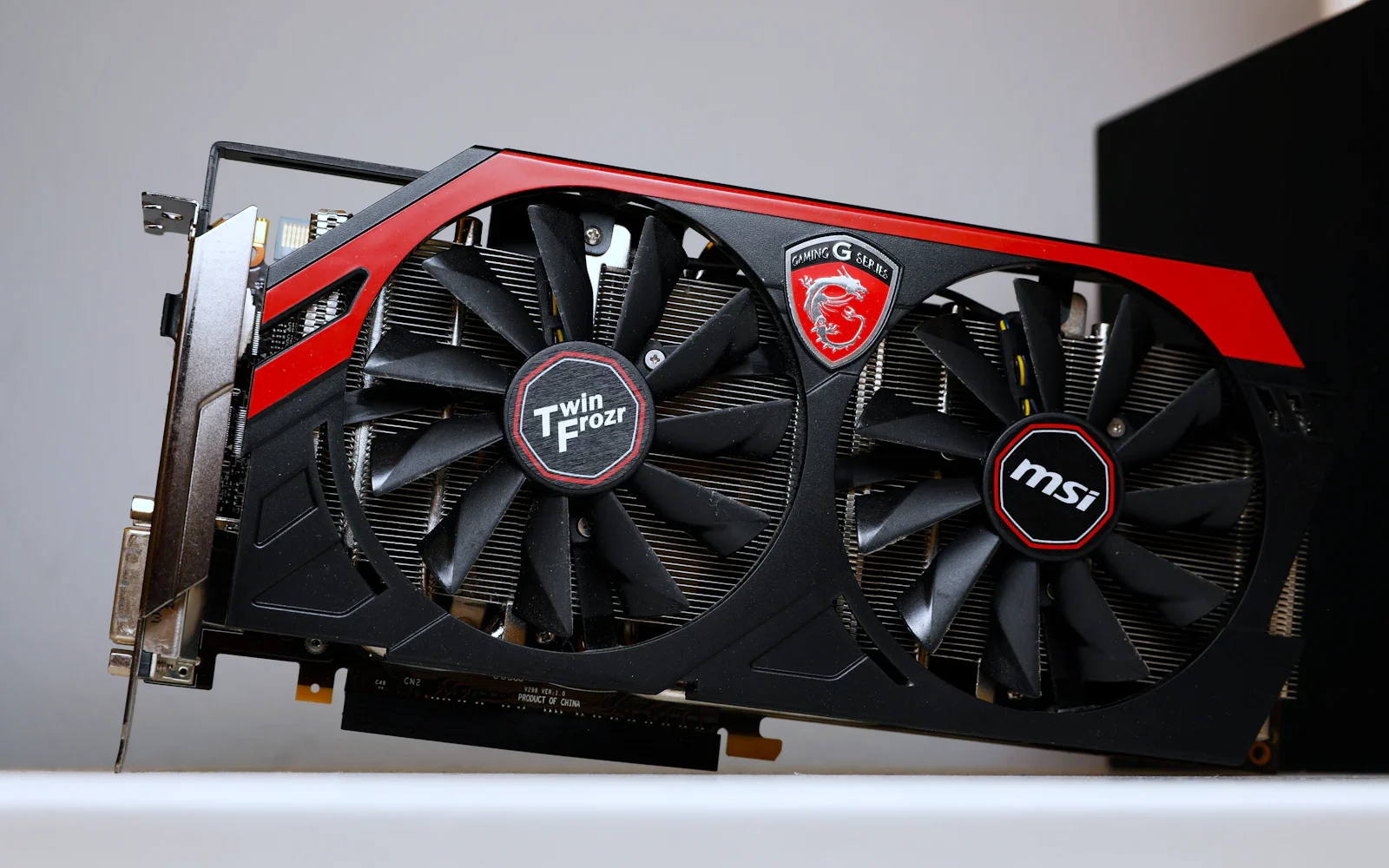
Second, the plan commits to providing access to 5,000 advanced model GPUs annually from 2027 to 2032. This strategy will support local model training and applied research, enabling startups and academic institutions to prototype larger models without the financial strain typically associated with high-performance computing.
Finally, the establishment of applied AI acceleration centers will create environments conducive to innovation. These centers will act as incubators, promoting collaboration among researchers, startups, and established firms.
National AI Supercomputer Initiative
Alongside the new directorate, Israel has launched a national AI supercomputer as part of the National Program for AI R&D Infrastructure, known as the Telem Program. The Israel Innovation Authority has engaged Nebius to build and operate this infrastructure, which is now operational. The program will allocate 1,000 Nvidia B200 accelerators, with a focus on providing 70% to high-tech companies and 30% to academic researchers. This distribution aims to democratize access to advanced AI tools, enabling more participants in the industry to conduct meaningful research and development.
Dror Bin, CEO of the Israel Innovation Authority, described the launch as a milestone for domestic model training, highlighting its potential to strengthen Israel's technological infrastructure. The allocation of these resources is expected to significantly lower the barriers for startups and universities in obtaining the computing power needed for AI projects.
Implications for the AI Ecosystem
The impact of this national strategy goes beyond just the availability of GPUs. By reducing computing costs and providing structured support for applied research, Israel is transforming its AI ecosystem. Guaranteed access to advanced computational resources allows both startups and academia to concentrate on innovation without the immediate pressure of securing private capital investment.
This initiative mirrors a broader trend seen in various countries, where national programs aim to stimulate AI research through talent incentives, subsidized computing resources, and support for incubators. Together, these elements create a fertile environment for innovation, enabling organizations to prototype and deploy AI solutions quickly and effectively.
What Lies Ahead
As the program develops, several factors will require close attention. Key questions include how Nebius will structure its access model and pricing tiers for the Telem Program, as well as the timelines for the application and allocation of the 1,000 B200 accelerators. The criteria for eligibility in the acceleration centers will be crucial, particularly in determining whether they will prioritize startups, larger firms, or academic institutions.
The technical specifications and usage quotas for the GPUs will shape the types of models that can be trained locally. The lack of detailed service level agreements (SLAs) and governance rules for budget and resource distribution raises concerns about long-term sustainability and effectiveness.
Israel's strategic move to enhance its AI infrastructure through substantial GPU allocations and a dedicated national program not only aims to secure its technological superiority but also positions the nation for a competitive AI landscape. This initiative could serve as a blueprint for other countries looking to strengthen their own AI capabilities.