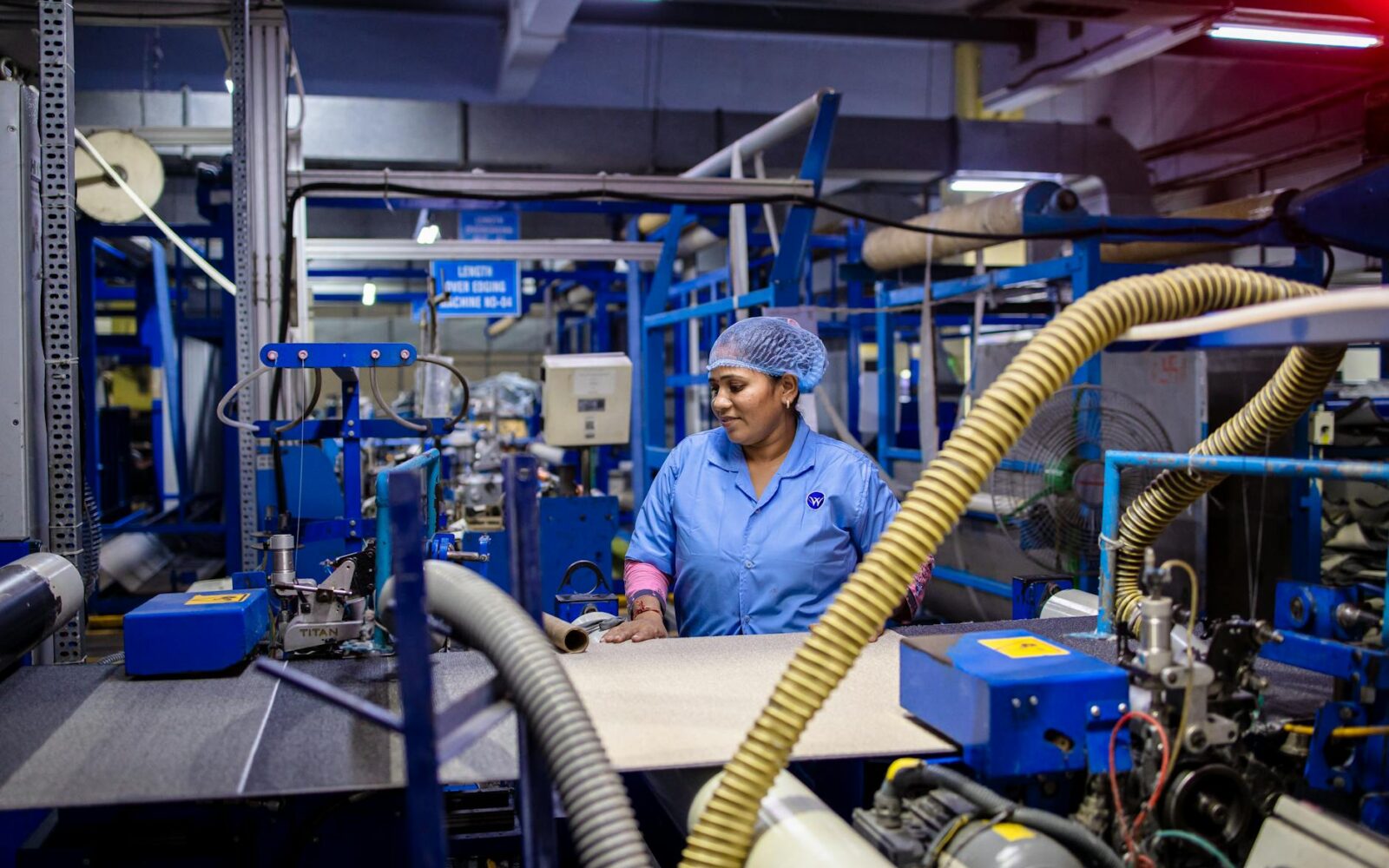
The semiconductor industry is experiencing an unexpected surge, driven primarily by the demands of artificial intelligence and the automotive sector, according to Daniel Wang, CFO of Shanghai Huahong Grace Semiconductor Manufacturing Corporation. He noted that the company’s fabrication plants are currently operating above full capacity, and this trend is expected to continue through 2026.
Wang highlighted how AI is reshaping market dynamics, stating that the rising demand is not only sustaining operations but is also likely to extend the memory boom linked to semiconductor production. This indicates a potential period of sustained growth for the sector, breaking away from its traditionally cyclical nature.
Continued Momentum in AI and Automotive Sectors
The growing reliance on AI technologies across various industries has spurred demand for semiconductors, especially in sectors that incorporate advanced computational capabilities. Wang pointed out that both industrial applications and automotive innovations are key factors driving this growth. As vehicles become increasingly integrated with AI technologies—such as autonomous driving systems—the need for sophisticated semiconductor solutions is expected to rise.
A Cautious Outlook Despite Growth
Despite the positive outlook, Wang warned that the semiconductor market remains fundamentally cyclical. This cyclical characteristic means that while current demand is robust, it can be affected by various external factors, including geopolitical tensions and supply chain disruptions. The potential for demand fluctuations underscores the importance of agility for semiconductor manufacturers in responding to market changes.
The outlook remains cautiously optimistic as the industry navigates these complexities. Wang's comments reflect a nuanced understanding of the opportunities and challenges ahead in the semiconductor sector. With AI poised to significantly influence future demand, companies like Shanghai Huahong Grace Semiconductor are strategically positioned to take advantage of these trends while preparing for inevitable market shifts.
As the industry evolves, compliance with international trade regulations, including U.S. export controls, will be critical for companies in this field. Adhering to these regulations will be essential for sustaining growth and ensuring long-term viability in the global semiconductor market.
The semiconductor sector is seeing a significant uptick in demand driven by AI and automotive innovations. While this offers numerous growth opportunities, the industry's cyclical nature requires vigilance and adaptability as market dynamics change in the coming years.
Quick answers
What factors are driving the current demand for semiconductors?
The demand is primarily driven by artificial intelligence applications and advancements in the automotive sector.
What is the expected timeline for continued growth in semiconductor production?
Growth in semiconductor production is expected to continue into 2026.
What warning did Daniel Wang give regarding the semiconductor industry?
Wang cautioned that the semiconductor industry remains fundamentally cyclical, indicating potential fluctuations in demand.

