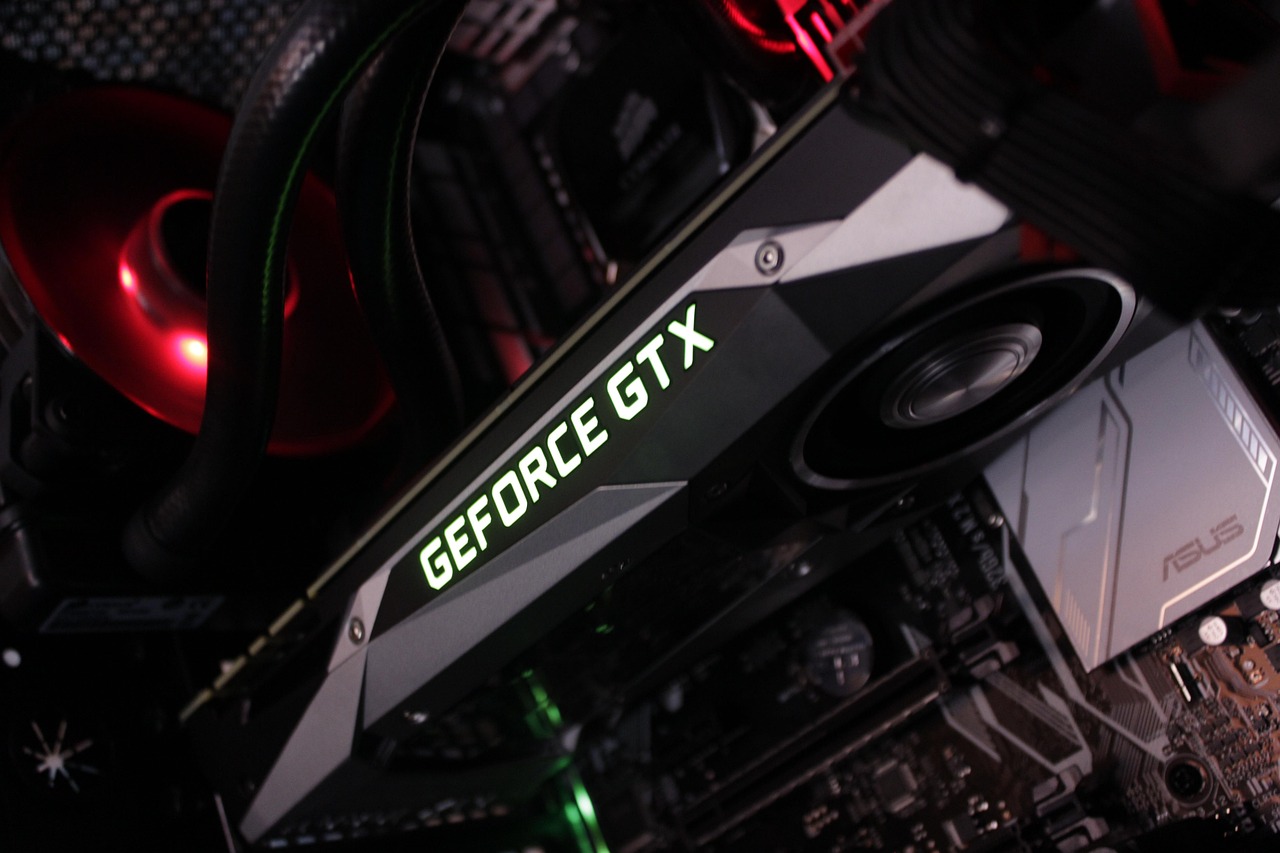
The debate surrounding the export of advanced AI chips has intensified, as Nvidia CEO Jensen Huang vehemently rejected comparisons between GPUs and nuclear weapons. Speaking at Stanford’s CS 153 Frontier Systems course, Huang criticized an analogy made by Dario Amodei, head of Anthropic, which likened the sale of AI chips to adversarial nations to selling atomic bombs. Huang stated, “So that analogy is stupid. And so, so if you start from there, you can’t finish a thought.”
Huang's remarks reflect a strong opposition to export controls on AI hardware, which he believes have backfired. He argues that limiting access to Nvidia's GPUs would ultimately undermine the United States' technological edge. With Nvidia positioned as the largest manufacturer of AI chips—especially through its popular CUDA architecture—Huang contends that maintaining global access to this technology is crucial for advancing AI development worldwide.
In his discussion, Huang noted that concerns about adversaries using American technology for military purposes should be balanced with the recognition that AI has extensive applications across various sectors, including science and business. He emphasized that while AI can serve military functions, it is primarily a dual-use technology. The versatility of AI hardware enables its use in both civilian and military contexts, prompting worries among U.S. policymakers regarding the potential for adversaries to gain strategic advantages.
https://www.youtube.com/watch?v=tsQB0n0YV3k
Despite critics claiming that unrestricted access could empower nations like China to bolster their military capabilities, Huang argues that the Chinese military would likely avoid U.S. AI technology, similar to how the Pentagon refrains from using Chinese systems. This viewpoint underscores his belief in the resilience of U.S. technology, which he regards as superior to global alternatives.
Huang also addressed the idea that American companies should withdraw from international competition if they risk losing access to their technology. He remarked, “The idea that I regard as completely ridiculous is why should American companies go compete in foreign countries if you are going to lose it anyway.” His assertion reflects a broader strategy advocating for the continued export of AI capabilities to maintain U.S. leadership in technology.
The implications of this debate extend beyond corporate rhetoric. As AI continues to evolve, balancing innovation with national security will be a critical concern for U.S. policymakers. The fear that advanced technologies could be misappropriated for military use is valid, yet Huang argues that withholding access may ultimately diminish the competitive edge that American companies currently possess.
The discussion surrounding AI chip exports highlights a complex interplay between technological progress and geopolitical considerations. With valid points on both sides, the long-term effectiveness of either approach remains uncertain. The outcome of this debate could significantly influence the future of AI development and international relations for years to come.