The recent summit between U.S. President Donald Trump and Chinese President Xi Jinping concluded without a resolution on semiconductor export controls, a critical element of the ongoing tech rivalry between the two nations. This lack of discussion raises concerns about the future of AI chip exports and competition in China.
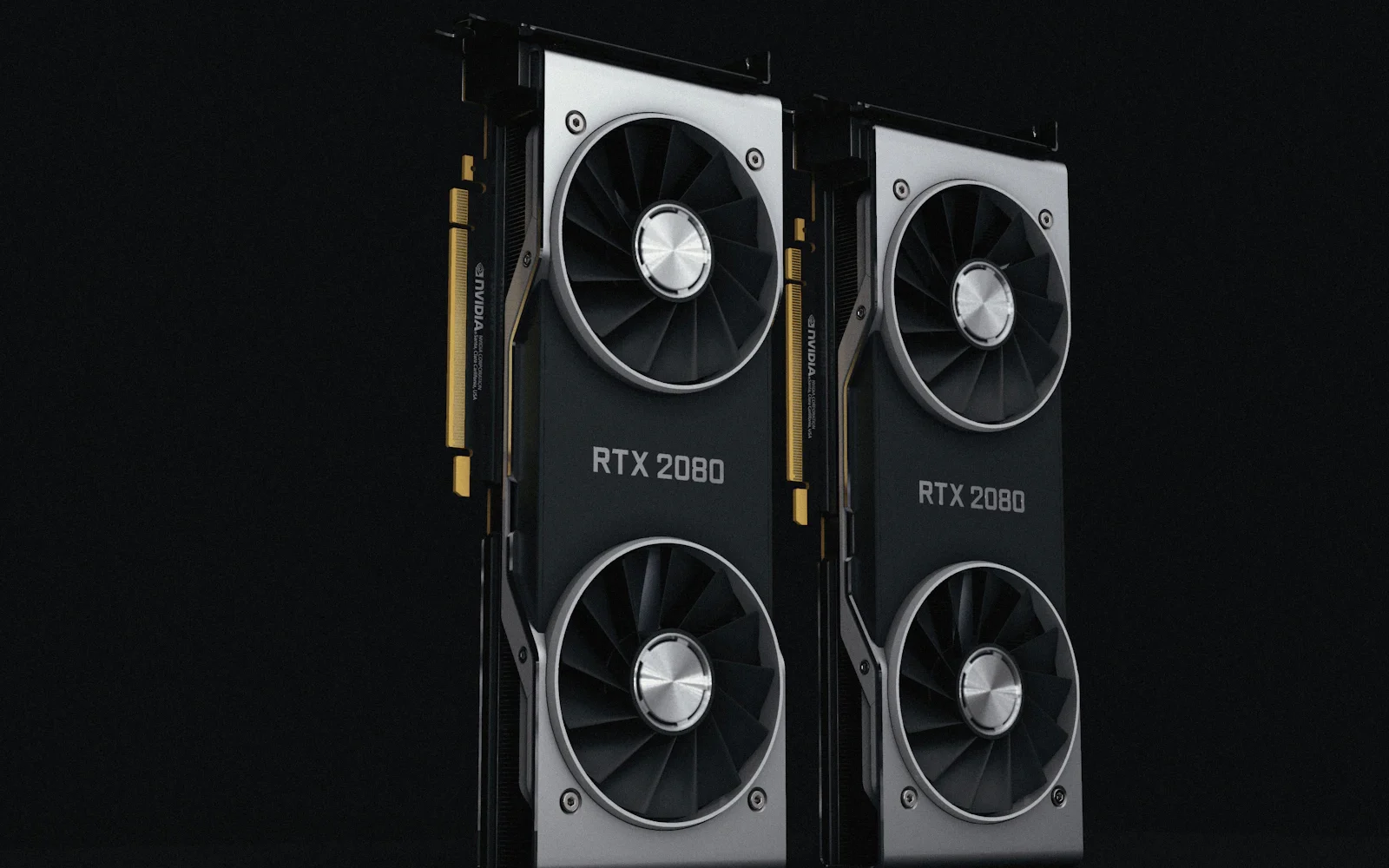
During the summit, there were hopes that NVIDIA's H200 AI chips would finally be exported to China, especially with CEO Jensen Huang in attendance. However, U.S. Trade Representative Jamieson Greer clarified that semiconductor export controls were not a primary topic. He noted, "whether to purchase [the H200] is a sovereign decision for China," placing the responsibility squarely on China.
Although the U.S. approved exports of NVIDIA's H200 chips to China last December, significant hurdles remain. Companies such as Alibaba, Tencent, and ByteDance received the necessary approvals, but no shipments have occurred. The Chinese government has been reluctant to allow domestic firms to buy these chips, focusing instead on developing local alternatives. President Trump pointed out that the lack of imports from China reflects their desire to create their own AI chips.
NVIDIA's dominance in the Chinese AI chip market is under serious threat from strict U.S. regulations. Once holding 95% of this lucrative market, NVIDIA's exports have declined, creating an opportunity that Chinese companies are eager to seize. For example, Huawei has intensified its efforts in this area, launching mass production of its Ascend 950PR AI processor in March. The company aims to boost its AI chip sales to $12 billion this year, a 60% increase from 2022.
Additionally, Semiconductor Manufacturing International Corporation (SMIC), China's largest semiconductor foundry, plans to enhance its production capacity by adding 40,000 monthly wafer production slots by the end of the year. This initiative responds directly to the growing demand from domestic players like Huawei.
As the geopolitical landscape evolves, the implications for the AI chip market are significant. With U.S. firms such as NVIDIA sidelined, China is accelerating its pursuit of self-sufficiency in AI technology. Developing domestic chips not only supports the country's tech ambitions but also signifies a major shift in the global semiconductor supply chain.
While the current impasse over semiconductor exports remains, the activities of Chinese companies indicate a decisive shift in the AI chip market. As they ramp up production and innovate, the competitive dynamics are likely to change, potentially altering the balance of power in the global tech arena. The pressing question is whether the U.S. will respond to this challenge, or if China's advancing capabilities will reshape the semiconductor landscape for years to come.
Quick answers
What are the implications of the U.S.-China summit for semiconductor exports?
The summit did not address semiconductor export controls, which could further entrench China's push for self-sufficiency in AI chips.
How are Chinese companies responding to NVIDIA’s absence?
Chinese companies like Huawei and SMIC are rapidly increasing production of AI chips to fill the gap left by NVIDIA.
What is the significance of the H200 AI chip?
The H200 AI chip was developed by NVIDIA specifically for the Chinese market but faces import restrictions from the Chinese government.