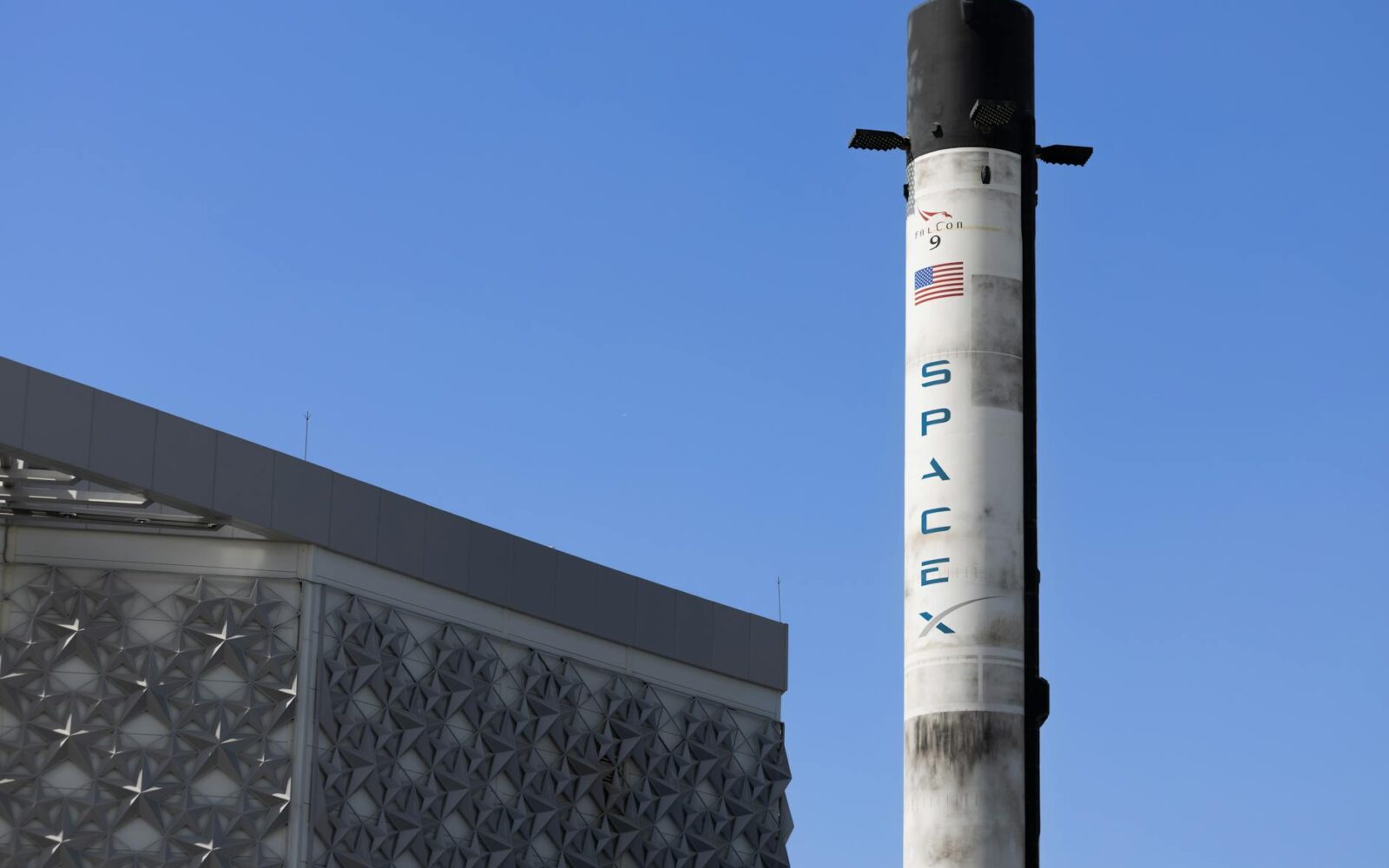
The recent postponement of SpaceX's critical Starship launch introduces uncertainty into the company's ambitious plans for an initial public offering (IPO). This delay, confirmed on May 22, 2026, raises questions about the timeline and market reception for SpaceX’s anticipated mega IPO, which was already under scrutiny from investors.
Industry experts had high hopes for the Starship launch, viewing it as a key moment that would validate SpaceX's technological advancements and boost investor confidence. With the launch scrubbed, analysts must now reassess how this setback might impact the company's financial trajectory and future fundraising efforts. The implications are significant, particularly as SpaceX aims to establish itself as a leader in the competitive space industry.
In stark contrast, Lenovo has recently reported strong earnings that showcase the company's successful integration of artificial intelligence into its operations. In an exclusive conversation with CFO Winston Cheng, he detailed how Lenovo's focus on AI has driven substantial growth, distinguishing the tech giant from its competitors. The positive performance was largely attributed to increased demand for AI-powered products, which resonated well with consumers and businesses alike.
Lenovo's stock surged following the earnings report, reflecting investor optimism about the company's future in a market increasingly influenced by AI innovations. Cheng emphasized that Lenovo is committed to using AI technologies to enhance product offerings and improve overall customer experience, signaling a stable strategy that could yield benefits as the space evolves.
As the narrative unfolds, the contrast between SpaceX's struggles and Lenovo's AI success illustrates the current state of the tech sector. While SpaceX navigates the complexities of its launch schedule and IPO ambitions, Lenovo stands to benefit from the expanding AI economy, positioning itself for further growth in an environment where artificial intelligence is becoming essential to business operations.
Looking ahead, both companies face distinct challenges and opportunities. SpaceX must tackle the implications of its launch delay and effectively strategize for its IPO, while Lenovo's challenge will be maintaining its momentum amid competition and evolving consumer expectations in AI technology. As these developments unfold, stakeholders will be watching closely to see how each company's strategies play out in this dynamic environment.

