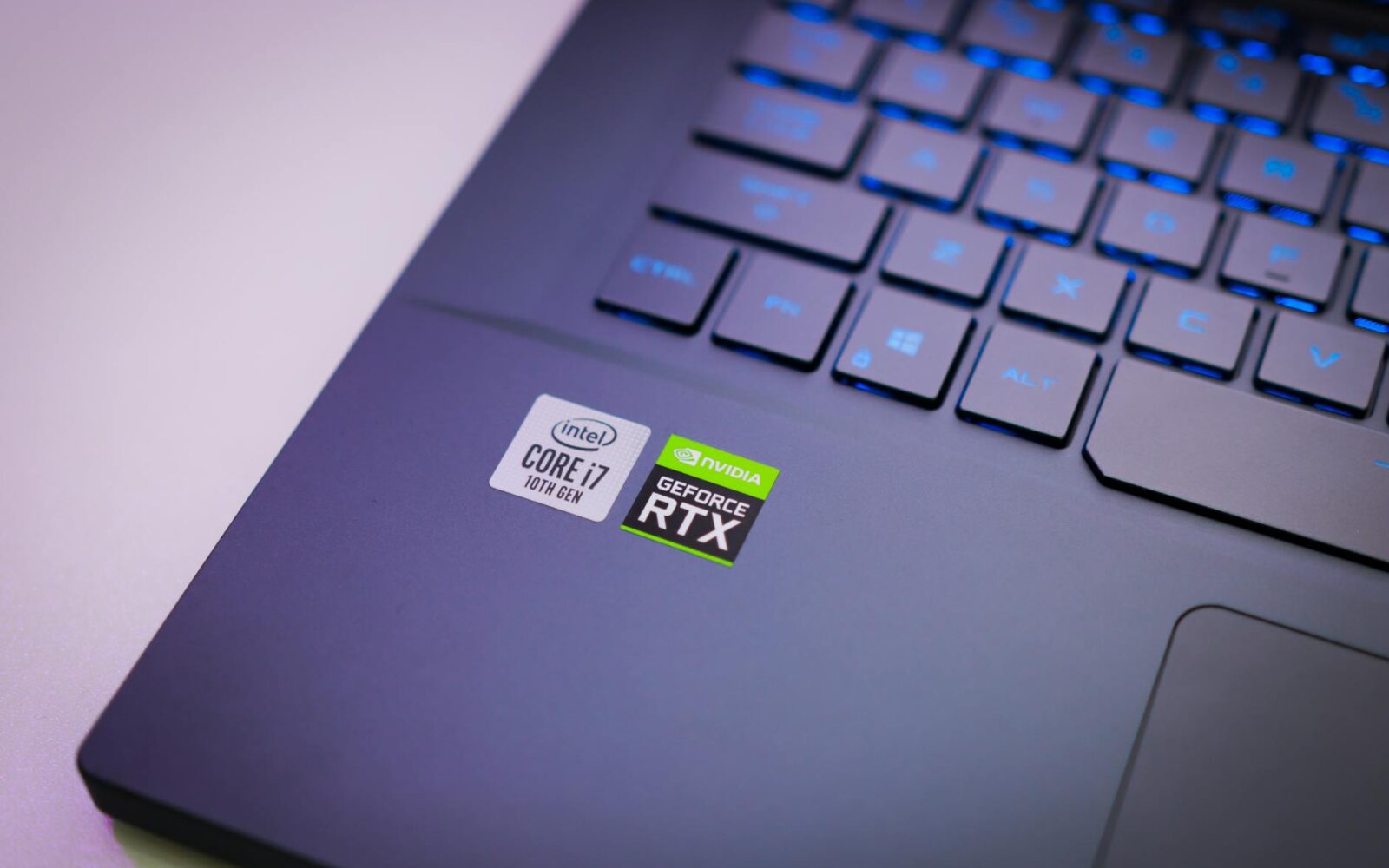
Nvidia has seen its once-dominant position in China’s AI chip market evaporate entirely, marking a significant shift in the global semiconductor arena. The company, which previously controlled 95% of the market, now has no presence at all. This drastic decline results directly from stringent US export controls that have systematically removed one of the industry's leading players from the world’s second-largest economy.
The Collapse of Nvidia's China Business
In a candid admission, CEO Jensen Huang acknowledged that Nvidia has effectively lost its entire business in the Chinese AI accelerator sector. The unraveling began in October 2022, when the US Commerce Department implemented sweeping export restrictions aimed at advanced semiconductor sales to China. These regulations initially prohibited Nvidia from shipping its flagship A100 and H100 GPUs to customers within the country.
Despite Nvidia's attempts to adapt by designing downgraded chip variants to meet the new performance thresholds, the situation continued to deteriorate. By October 2023, US regulators further tightened the rules, rendering these workaround products obsolete and sealing Nvidia's fate in the region.
A Coordinated Push from Both Sides
The challenges for Nvidia did not solely stem from US government actions. Concurrently, Chinese authorities directed major tech firms to cease all purchases of Nvidia’s AI chips. This dual pressure from both the US and Chinese governments effectively sidelined Nvidia, creating a significant vacuum in the market.
In the absence of Nvidia, Huawei has swiftly positioned itself as the go-to supplier of advanced AI hardware in China. Supported by substantial state backing and a burgeoning domestic chip ecosystem, Huawei is seizing the opportunity to fill the gap left by Nvidia's exit.
Huawei's Ascendancy in the AI Market
Major Chinese tech companies, including Baidu, Alibaba, and Tencent, are increasingly turning to Huawei’s Ascend series processors for their AI training and inference tasks. This trend underscores the shift in market dynamics, with Huawei emerging as the leading player in a sector that was once dominated by Nvidia.
Implications of US Export Controls
The broader implications of these export restrictions are becoming a topic of critical analysis among policy experts. The original intent behind the US government's actions was to hamper China's AI development by limiting access to advanced chips. However, analysts are now questioning whether this strategy has backfired. By completely isolating Nvidia from the Chinese market, the US may have inadvertently created a fertile environment for local chip manufacturers, granting them a monopoly on a market with billions of dollars in annual demand.
As the landscape continues to evolve, the ramifications of this policy shift will likely reverberate throughout the industry, prompting a reevaluation of how export controls are implemented and their unintended consequences. Nvidia’s withdrawal from China not only changes the competitive dynamics of the AI chip market but also raises critical questions about the effectiveness of US strategies aimed at countering China's technological rise.