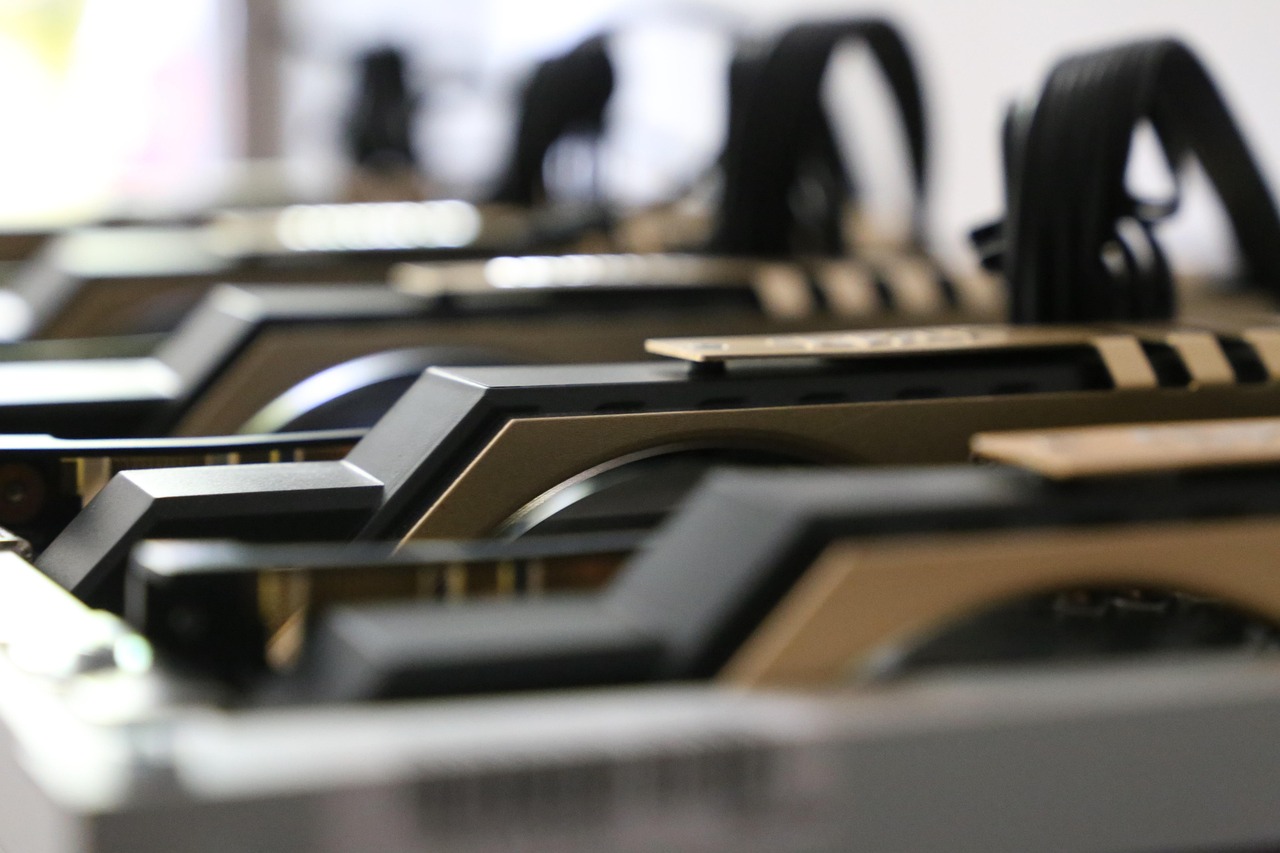
In a significant move to strengthen its position against Nvidia, Advanced Micro Devices Inc. (AMD) has announced a commitment of over $10 billion in investments aimed at enhancing its AI computing chip capabilities in Taiwan. This initiative goes beyond financial backing; it represents a strategic effort to build deeper partnerships within the region, which plays a important role in the semiconductor supply chain.
AMD's collaboration will involve key local players such as ASE Technology Holding Co., Powertech Technology Inc., Sanmina Corp., and Inventec Corp. This extensive network of partnerships is expected to boost AMD's packaging capacity and improve operational efficiency, enabling the company to better compete in the evolving AI market.
This investment comes as AMD seeks to challenge Nvidia's dominance in the AI chip sector, a rapidly growing field driven by increasing demand for advanced computing solutions across various industries. By investing in Taiwan, a hub for semiconductor manufacturing, AMD aims to use the region's expertise and resources to accelerate product development and production timelines.
Expanding Capabilities in a Competitive Landscape
The AI industry has experienced remarkable advancements, with companies competing for market share as demand for AI technologies surges. Nvidia has established itself as a frontrunner in this space, commanding significant market power and leading the development of high-performance GPUs tailored for AI applications. AMD's investment signals a determined effort to close this gap.
The partnerships formed through this investment are designed to strengthen AMD’s supply chain resilience, making sure that it can meet the rising demand for AI chips. With Taiwan hosting some of the world's largest semiconductor manufacturers, AMD's decision to invest heavily in the region may also provide logistical advantages, potentially lowering production costs and delivery times.
Implications for the AI Crypto Market
As the AI sector evolves, its intersection with cryptocurrency technologies is becoming increasingly significant. AI-driven applications in crypto markets require powerful computing resources, which have traditionally been dominated by a few key players. AMD's strategic expansion could affect the availability and pricing of AI chips for companies in the decentralized finance (DeFi) and crypto sectors, potentially leading to more competitive pricing and innovation in AI crypto applications.
Looking ahead, AMD’s investment in Taiwan may not only bolster its competitive stance against Nvidia but could also reshape the dynamics of the AI chip market as a whole. As both companies continue to innovate, the ongoing battle for supremacy in AI computing will likely drive further advancements in technology, benefiting a wide range of sectors, including crypto.
With this substantial investment, AMD is not merely aiming to catch up; it is positioning itself as a formidable contender in the AI computing arena, one that could redefine benchmarks and expectations as the industry matures.