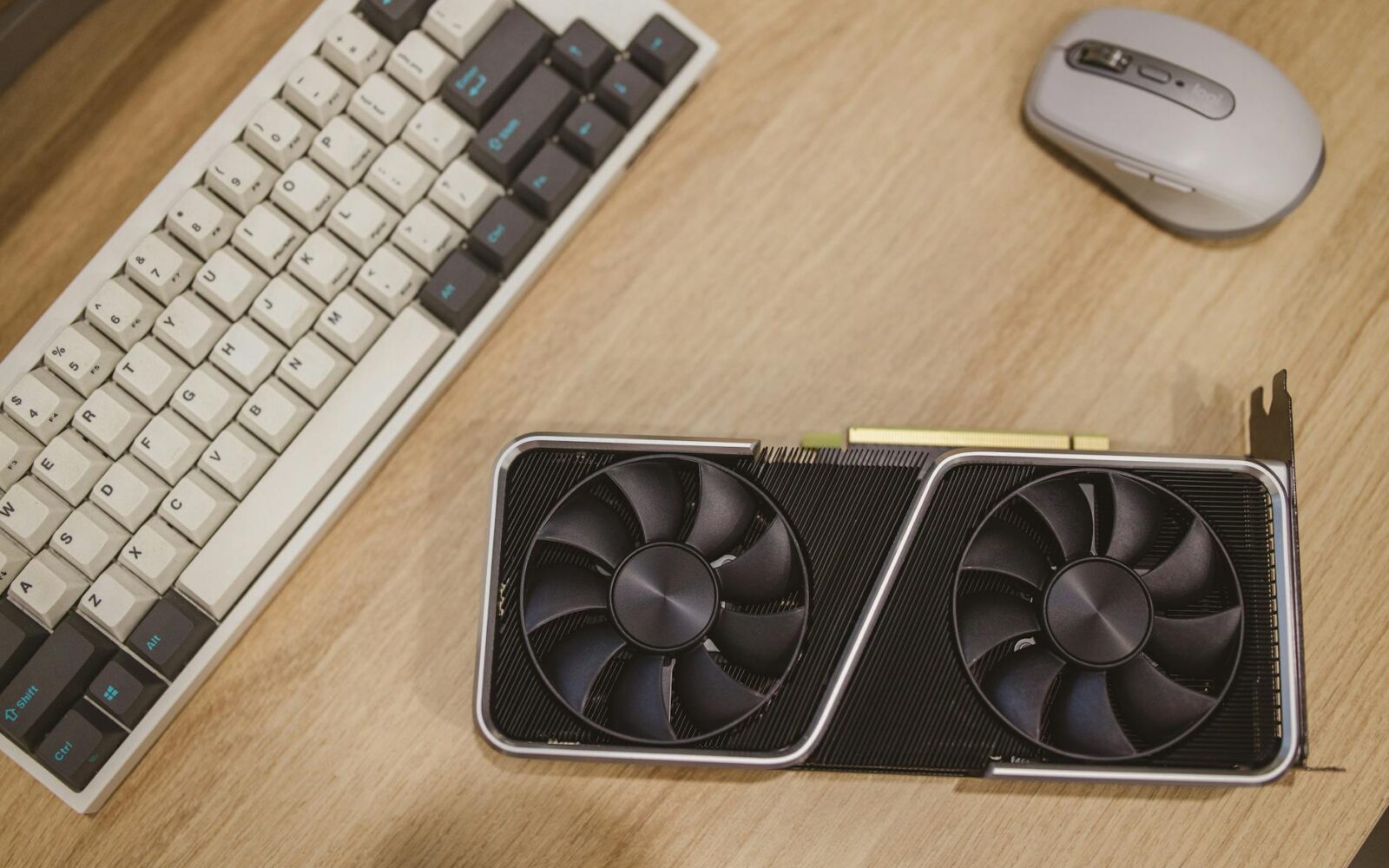
Alibaba's recent introduction of the Zhenwu M890 AI chip is a move towards decreasing reliance on Nvidia, especially as the geopolitical climate tightens around US export limits. This new chip reportedly boasts three times the processing power of its predecessor and is aimed at enhancing performance for advanced AI applications. The initiative aligns with China's broader strategy to strengthen its tech independence.
Implications for Nvidia and the AI Chip Market
The launch of the Zhenwu M890 could disrupt Nvidia's dominance in the AI chip market, particularly as China pushes for self-sufficiency in technology. Alibaba's plans extend beyond the chip itself to include upcoming AI software upgrades, indicating a thorough approach to enhancing its capabilities in AI and cloud technology. As these advancements unfold, Nvidia may need to rethink its strategies and offerings to maintain market share.
Rising Quantum Computing Threats
In a separate development, Glassnode reported that Bitcoin faces a looming risk from advancements in quantum computing. The analytics firm highlighted that approximately 1.92 million Bitcoin are at structural risk due to potential quantum capabilities, with another 4.12 million BTC exposed through poor wallet management practices. This means that over 30% of Bitcoin's total supply could be vulnerable if quantum computers achieve sufficient processing power. The report suggests that improved wallet security and the introduction of post-quantum security measures could mitigate some of these risks.
Imperagen's Seed Funding and Future Prospects
On another front, UK startup Imperagen has successfully secured $5 million in seed funding to enhance enzyme development through AI and quantum computing. This funding will accelerate their research into drug discovery, aiming to expedite the design of enzymes for therapeutic and industrial uses. By integrating machine learning with quantum methodologies, Imperagen hopes to provide more accurate insights into complex biological systems, potentially revolutionizing the drug development process.
The Shift in AI Coding Tools
The world of AI coding tools is evolving. A notable transition is occurring from traditional prompt-based systems to more sophisticated goal-driven agents. These new tools are designed to autonomously handle tasks such as coding, testing, and debugging, allowing developers to focus on higher-level problem-solving and design rather than manual coding. This shift could significantly simplifies software development processes, leading to greater efficiency in the tech industry.
Alibaba's strategic move with the Zhenwu M890 AI chip reflects a broader trend of self-reliance in technology. Meanwhile, the quantum computing risks highlighted by Glassnode pose significant challenges for Bitcoin and other cryptocurrencies. As these trends evolve, they are likely to shape the future of both AI technologies and cryptocurrency markets.