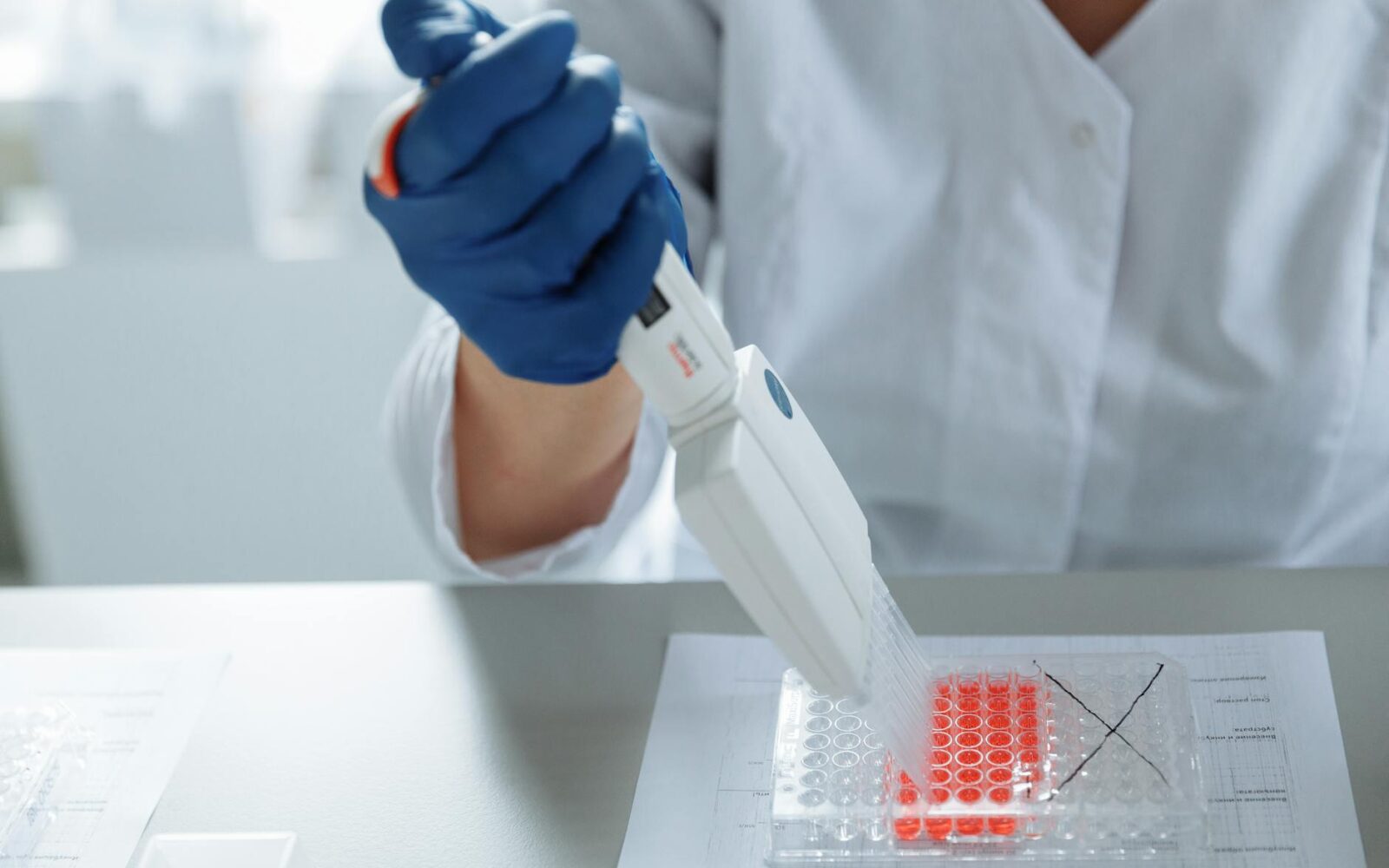
Recent advancements in aging research highlight a significant leap forward thanks to artificial intelligence, particularly through the innovative use of Co-Scientist. This tool is reshaping how biologists identify genetic pathways that could reverse cellular aging.
Omar Abudayyeh and Jonathan Gootenberg, leading figures in this field, face two major challenges: selecting the right genetic pathways for exploration and effectively interpreting the vast amounts of data generated from their experiments. Their laboratory conducts extensive genetic screenings, manipulating thousands of genes to assess how cellular responses vary with these changes. The goal is clear: to guide cells away from senescence—a deteriorated state linked to aging—toward a more youthful and functional condition.
Co-Scientist plays a crucial dual role in this process. First, it acts as a powerful research assistant, sifting through extensive scientific literature to uncover potential genetic factors that could aid in reversing aging. Notably, the AI reviewed tens of thousands of papers, generating a list of over 20 novel genetic factors for the researchers to test. After laboratory validation, several of these hypotheses proved effective, successfully rejuvenating cells and enhancing their functionality.
The second major advantage of Co-Scientist is its speed and efficiency in data analysis. After experiments, researchers typically face the daunting task of making sense of extensive data sets, a process that can take up to six months. By using Co-Scientist to analyze screening outcomes alongside existing literature, the team has reduced this timeframe to just a few days. This significant reduction in analysis time accelerates the research process and allows for quicker pivots toward the most promising avenues of investigation.
These advancements signal a consequential shift in aging research. The ability to rapidly identify and validate genetic factors, along with the expedited analysis of experimental data, positions AI as an indispensable ally in the quest to combat aging at the cellular level. As research continues, the implications for therapeutic development could be substantial, potentially leading to new treatments that enhance longevity and improve quality of life.
Looking ahead, the integration of AI in biological research is set to deepen, with tools like Co-Scientist paving the way for more sophisticated approaches to understanding aging. This intersection of technology and biology holds promise for rejuvenation therapies and may also redefine how researchers address complex biological questions in the future.